Finding the best self tanning lotion for light skin is less about becoming dramatically bronze and more about avoiding the orange situation that makes coworkers ask if you have been on vacation. The right formula adds a soft, even wash of color, works around a busy schedule, and fades without leaving your hands, ankles, or elbows looking like separate projects. I’m not a morning person. I’m a morning-efficient person, so the ideal self-tanner should fit into a short evening routine and look presentable the next day.
What light skin needs from a self-tanner
Light skin often shows uneven application quickly. A deep tanning mousse that looks impressive on a product page can turn too warm on pale legs, especially when applied heavily around the knees or wrists. Look for a light or medium shade, a gradual lotion, or a product with a color guide that lets you see where it has been applied. Gradual formulas are usually more forgiving because each layer builds slowly over several applications.
The best self tanning lotion for light skin should also offer a neutral or slightly cool-looking result rather than an intensely orange undertone. That does not mean every warm formula is bad. A small amount of warmth can make winter skin look healthier. The problem is excess warmth combined with too much product. Ingredients such as aloe, glycerin, and lightweight plant oils can make a lotion more comfortable, while dihydroxyacetone, commonly called DHA, is the ingredient that reacts with the outermost layer of skin to create temporary color.
A lotion is often easier than a fast-developing mousse for a weekday routine because it behaves more like body moisturizer. You can apply it after a shower, wash your hands carefully, put on loose pajamas, and let the color develop overnight. If you need results before dinner, choose a tinted formula with a shorter development time, but remember that the guide color can transfer to white clothing or sheets.
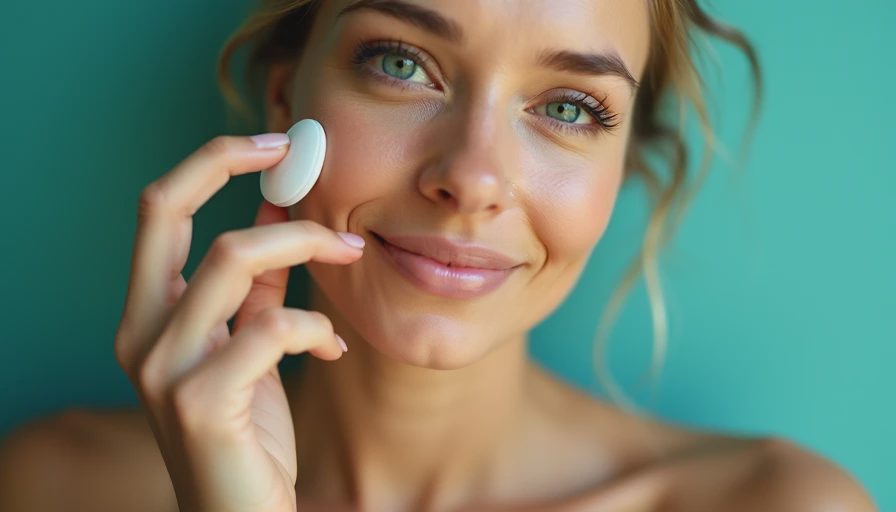
How to choose the best self tanning lotion for light skin
Start with the finish you actually want. If you are wearing sleeveless tops for a work presentation, a subtle lotion that looks like a few days of outdoor color is easier to manage than a dark vacation tan. Products such as Jergens Natural Glow are popular for gradual buildup, while Tan-Luxe The Gradual offers a more customizable approach for shoppers willing to spend more. Bondi Sands Everyday Gradual Tanning Milk is another familiar option for a soft, moisturized finish. These products occupy different price points, so a higher price is not automatically proof of better color.
Fragrance matters more than many reviews admit. DHA can develop a distinctive sweet or toasted scent several hours after application. If you are sensitive to fragrance, choose a lower-scent formula or apply it after your evening shower when you will not be trapped in a meeting room with yourself the next morning. Also consider the bottle. A pump makes it easier to control the amount, while a tube can be useful for travel but may dispense too much lotion near the end.
For a first application, test the product on one lower leg. Use a small amount, wait through the full development period, and look at the result in daylight. Bathroom lighting is a known accomplice to bad decisions. The best self tanning lotion for light skin should leave a believable difference between your treated and untreated skin, not a sharp line where your shorts happened to end.
The application routine that prevents streaks
Exfoliate the day before, not aggressively five minutes before tanning. A gentle body wash and a soft washcloth can remove dry flakes without irritating the skin. Shave at least several hours ahead if possible. Right before application, add a small amount of plain moisturizer to dry areas including elbows, knees, ankles, knuckles, and the tops of your feet. Those areas absorb self-tanner quickly and can become darker than the rest of your body.
Apply from the legs upward in thin sections. Use less product on hands, feet, knees, and elbows, then blend the leftover lotion over those areas. A tanning mitt helps distribute the formula and keeps palms from collecting color, although clean hands can work if you wash them immediately afterward. Scrub around your nails, between your fingers, and along your wrists with soap. Many self-tanning mistakes are not complicated chemistry problems; they are people forgetting their thumbs.
The best self tanning lotion for light skin should be built gradually. One even layer is better than three rushed layers that settle into creases. Wear loose, dark clothing while the product develops, and avoid sweating, swimming, or applying body oil during that window. If you need to get dressed quickly, a gradual, untinted lotion is usually less risky than a bronzing product with an obvious guide color.
How to make the color look polished at work
A natural tan needs maintenance, not constant reapplication. Moisturize daily once the color appears. This helps the fade look less patchy and gives legs a smoother appearance under office lighting. Reapply every two or three days until you reach the shade you want, then use the lotion once or twice a week. If your knees or ankles start looking darker, skip those areas during the next application instead of adding more product everywhere.
Pay attention to contrast. A light tan on your arms may make your face look paler, particularly if you use a full-coverage foundation that matches your winter shade. You do not need a new makeup collection. Switching to a slightly warmer tinted moisturizer, adding a little bronzer to the forehead and cheekbones, or blending foundation down the neck can keep everything balanced. The goal is color continuity, not a complete seasonal identity change.
If you are choosing the best self tanning lotion for light skin for a trip, apply it two nights before departure rather than the night before your flight. That gives you time to correct a missed spot with gentle exfoliation or add a small amount to an area that developed too lightly. Travel also creates friction from clothing, seat belts, and dry airplane air, so pack a small fragrance-free moisturizer and avoid tanning immediately before a long journey.
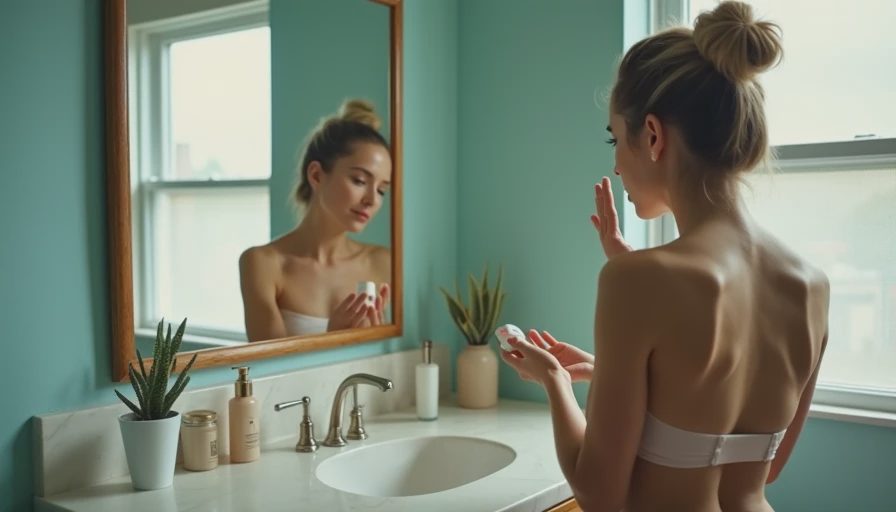
Common mistakes that waste a good product
The first mistake is applying self-tanner to dry skin without preparation. Flakes catch the formula and create dark specks. The second is using the same amount on every body part. Your shins may need a generous, even layer, while your ankles need only what remains on the mitt. The third is judging the result too soon. Most formulas continue developing for several hours, so applying more because the color looks faint after thirty minutes can lead to an overly dark result later.
Another mistake is ignoring old color. If the previous application is fading unevenly, gently exfoliate over a day or two before starting again. Do not scrub hard enough to leave your skin red, because irritated skin may react unevenly. When the best self tanning lotion for light skin is used on a calm, moisturized surface, the color usually fades more evenly and requires fewer emergency fixes.
Finally, do not use self-tanner as sun protection. A tan, whether developed from sunlight or DHA, does not replace broad-spectrum sunscreen. Apply an SPF 30 or higher sunscreen to exposed skin during the day, especially on your face, chest, shoulders, and hands.
My practical shopping verdict
For beginners, a gradual lotion is the safest place to start because it gives you control and makes small application errors less obvious. Jergens Natural Glow is a sensible budget choice, while Bondi Sands Everyday Gradual Tanning Milk suits shoppers who want a richer moisturizing feel. Tan-Luxe The Gradual is appealing when adjustable color and a more elevated texture matter more than saving every dollar. The best self tanning lotion for light skin is the one you will apply evenly, remember to wash off your hands, and use again before the first color has completely disappeared.
Pretty is nice. Useful is better. Choose a manageable shade, prep dry areas, apply less than your instincts suggest, and give the formula time to develop. That routine takes a few extra minutes but saves the much longer process of hiding orange wrists before your first meeting.

No comments yet — grab the first one.