Finding a moisturizer for retinol is less exciting than buying the retinoid itself, but it is usually the decision that determines whether you stick with the routine. Retinol can help improve the look of uneven texture, fine lines, and occasional breakouts, yet it can also leave skin tight, flaky, or unusually reactive. The right cream does not need to be expensive or packed with trendy ingredients. It needs to make nightly retinol easier to tolerate, especially when you have a 7:45 a.m. train, office air conditioning, and no interest in peeling around your nose during a client meeting.
What a retinol moisturizer actually needs to do
A good moisturizer for retinol supports the skin barrier. In plain English, it helps reduce water loss and cushions skin against the dryness that can happen when you introduce a vitamin A product. Look for humectants such as glycerin or hyaluronic acid, emollients such as squalane or fatty acids, and occlusive ingredients such as petrolatum or dimethicone. You do not need every category in one formula, but a balanced combination is useful.
Ceramides are another practical ingredient because they help reinforce the barrier. Panthenol, colloidal oatmeal, and allantoin can also make a formula feel more comfortable when skin is fussy. A moisturizer for retinol does not have to contain retinol, peptides, acids, or brightening agents. In fact, a simple formula is often the smarter buy while your skin is adjusting.
Texture matters more than people admit. A lightweight lotion can work for combination skin, while a richer cream is usually better for dry skin or winter weather. If you wake up with tight cheeks, your night cream is probably not doing enough. If you wake up greasy and uncomfortable, you may be applying too much or choosing a formula that is heavier than your skin needs.
Ingredients and formulas worth considering
For a straightforward moisturizer for retinol, CeraVe Moisturizing Cream is a familiar budget-friendly option with ceramides and a rich texture. It is especially useful for dry areas, though some combination-skin readers may prefer using it only on the cheeks. Vanicream Daily Facial Moisturizer is another practical pick; it has a lighter feel and is often appealing when fragrance is a concern.
La Roche-Posay Toleriane Double Repair Face Moisturizer offers a comfortable middle ground for normal to combination skin. It layers neatly without feeling like a face mask, which matters if you are applying retinol after washing your face and still need to get through a few emails before bed. For very dry skin, Avène Cicalfate+ can be useful as a targeted final layer rather than an all-over daily cream. It is thick, so think of it as barrier support for irritated zones, not a universal answer.
If you prefer a more elegant texture, First Aid Beauty Ultra Repair Cream is worth considering for dry or sensitive-feeling skin. It spreads easily over the face and neck, although you should still patch test any new product. A moisturizer for retinol should make your routine calmer, not create a second ingredient experiment.
How to layer it with retinol
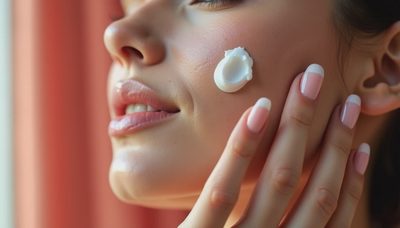
The simplest routine is cleanser, dry skin, retinol, and moisturizer. Use a pea-sized amount of retinol for the entire face, avoiding the corners of the nose, lips, and eyelids unless your product instructions specifically say otherwise. Follow with moisturizer for retinol while the product is still comfortable on the skin.
If you are sensitive, try the sandwich method. Apply a thin layer of moisturizer first, wait a minute or two, apply retinol, then add another small layer of cream. This can soften the intensity without forcing you to abandon the active ingredient. It is not cheating; it is a way to build consistency.
Start two nights per week rather than using retinol every night immediately. After several weeks, increase frequency only if your skin feels normal. Burning, persistent redness, cracking, or painful peeling is not a badge of commitment. Pause the retinol and focus on bland hydration until your skin settles. During the day, use sunscreen, because retinoid routines and unprotected sun exposure are a poor combination.
Choosing by skin type and real weekday needs
Dry skin usually benefits from a cream containing ceramides, glycerin, squalane, or petrolatum. Apply it generously around the cheeks and mouth, where irritation often appears first. For combination skin, use a lotion across the forehead and nose, then add a second layer to drier areas. This two-texture approach is more useful than buying one expensive product and hoping it behaves perfectly everywhere.
Oily or acne-prone skin can still need a moisturizer for retinol. Dehydrated oily skin may produce more noticeable shine while feeling tight underneath. Choose a non-greasy lotion, use a modest amount, and avoid stacking several drying products on the same night. Skip scrubs and strong exfoliating acids while you are learning how your skin responds.
For sensitive skin, fragrance-free formulas are a sensible starting point. Keep the rest of the routine boring for at least a few weeks: gentle cleanser, retinol, moisturizer, and daytime sunscreen. You do not need a toner, exfoliating mask, essence, and overnight sleeping pack to prove you are serious about skincare. Pretty is nice. Useful is better.
Common mistakes that make retinol feel worse
The first mistake is applying too much. A pea-sized amount is enough for the full face; adding more does not speed up visible results. The second is using retinol on damp skin. Dampness can increase how quickly the product spreads and may make irritation more likely, so let your face dry after cleansing.
Another common problem is combining retinol with multiple strong actives. Benzoyl peroxide, glycolic acid, salicylic acid, and prescription treatments can each have a place, but introducing them all at once makes it impossible to identify the troublemaker. Alternate nights instead. For example, use retinol on Monday and Thursday, a gentle hydrating routine on other nights, and add exfoliation only after your skin has demonstrated that it can handle the basics.
Finally, do not judge a moisturizer for retinol after one application. Check how your skin feels the next morning, after your commute, and again before bed. A formula that leaves no flakes under concealer and no tight feeling after washing is doing its job, even if it is not the most glamorous jar on the shelf.
A simple routine you will actually repeat
At night, cleanse gently and wait until your face is dry. Apply retinol in a thin, even layer, then use moisturizer for retinol over the top. If you are prone to irritation, protect the corners of your nose and lips with a little plain balm before applying the active. In the morning, rinse or cleanse lightly, moisturize if needed, and finish with broad-spectrum sunscreen.
Keep the product beside something you already use, such as your toothbrush or phone charger. That small placement trick is more powerful than buying a fourth serum. If a formula pills, feels hot, or makes your skin uncomfortable, it is not the right fit, regardless of how many positive reviews it has. A reliable moisturizer for retinol should disappear into your routine and let the retinoid do its work without turning every weekday into a skin emergency.
I’m not a morning person. I’m a morning-efficient person. The best night routine is the one that leaves your face comfortable, your makeup sitting normally, and one less decision waiting for you before work.

No comments yet — grab the first one.