A hyaluronic acid serum for hydration can be one of the most useful steps in a rushed weekday routine. It is lightweight, usually easy to layer, and designed to help skin hold onto water so your face looks less tight and tired. That matters when your morning includes a train commute, office air conditioning, a video call, and exactly seven minutes to get ready. I’m not a morning person. I’m a morning-efficient person, and this is the kind of product that earns its place by being simple.
What hyaluronic acid actually does
Hyaluronic acid is a humectant, which means it attracts and helps retain water. Your skin naturally contains hyaluronic acid, but a topical product can add a temporary layer of hydration to the skin’s surface. It does not work like an exfoliating acid such as glycolic acid, and it is not a retinoid or acne treatment. The name sounds more aggressive than the ingredient usually feels.
A hyaluronic acid serum for hydration is best understood as a moisture-support step, not a complete moisturizer. It can make skin feel softer and look plumper for a while, but it does not replace the ingredients that help reduce water loss. A good moisturizer still matters, especially if your skin feels dry by lunchtime or gets irritated by cold wind and indoor heat.
The word “acid” also causes unnecessary panic. In this context, hyaluronic acid is generally not being used to dissolve dead skin cells. Most formulas are gentle enough for daily use, although fragrance, preservatives, or added actives can still bother sensitive skin. Read the full ingredient list instead of judging the bottle by its most marketable word.
How to use it without creating a sticky mess
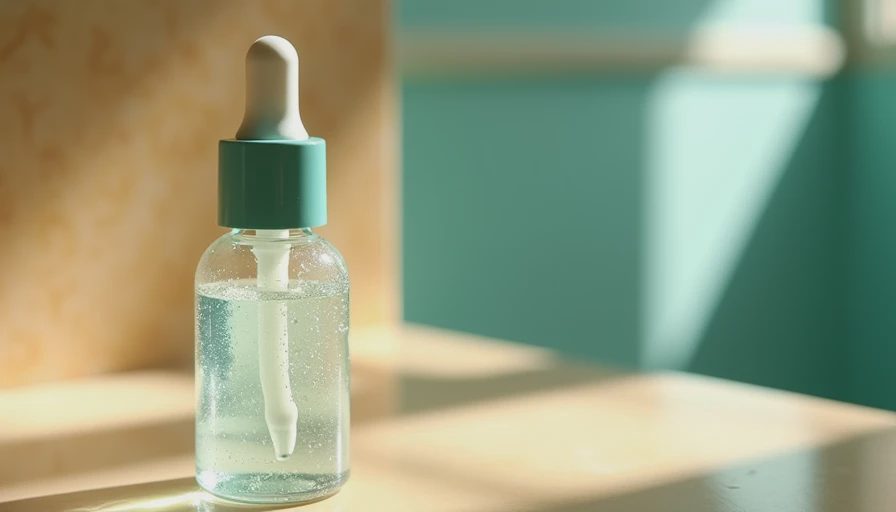
Apply a hyaluronic acid serum for hydration to slightly damp skin after cleansing. You do not need a dripping-wet face; a little residual moisture is enough. Use two or three drops, spread them across your cheeks, forehead, and chin, then press rather than aggressively rub. Follow with moisturizer while the skin still feels comfortable and lightly hydrated.
The order for a fast morning routine is straightforward: cleanse or rinse, apply serum, moisturize, use sunscreen, then apply makeup. If you use a toner or essence, place it before the serum. If you use vitamin C in the morning, that usually goes before hyaluronic acid, although the exact order depends on the product texture. Thin layers first is the rule that prevents most pilling problems.
If your concealer starts rolling around your nose, the issue may not be the serum itself. You may have applied too much, skipped moisturizer, or layered several film-forming products. Give each step about thirty seconds to settle, and keep the total amount modest. More product does not equal more hydration. It often equals a tacky face and makeup that refuses to cooperate.
Choosing a formula for a real workday
Look for a hyaluronic acid serum for hydration with a short, understandable ingredient list if you are trying the category for the first time. Glycerin, panthenol, beta-glucan, and aloe can support a comfortable feel, while ceramides are useful in a moisturizer layered on top. A serum containing multiple molecular weights of hyaluronic acid can offer hydration at different levels of the skin’s surface, but the phrase is not a guarantee of superior performance.
Texture matters more than impressive packaging. A watery serum is convenient under makeup and tends to suit combination or oily skin. A gel texture can feel more cushioning on dry cheeks but may take longer to settle. If your face becomes shiny quickly, choose a light lotion or gel and reserve richer cream for the areas that actually need it.
Prices range from roughly $10 for drugstore options to $60 or more for prestige formulas. That price gap does not automatically translate into better hydration. The Ordinary Hyaluronic Acid 2% + B5 is a budget-friendly example with a thicker, slightly tacky feel. Neutrogena Hydro Boost Hydrating Serum is positioned as a lighter drugstore option. SkinCeuticals Hydrating B5 Gel costs more and is popular with shoppers who prefer a polished, silky texture. Buy for the finish and supporting ingredients, not the counter display.

The moisturizer step is not optional
A hyaluronic acid serum for hydration pulls in water, but a moisturizer helps slow the escape of that water from the skin. This is why some people feel temporarily soft after serum application and then oddly tight an hour later. They used a humectant without enough occlusive or emollient support afterward.
For a Chicago winter commute, try a serum under a moisturizer containing ceramides, squalane, or petrolatum if your skin tolerates richer formulas. In humid summer weather, a gel cream may be enough. Someone working in a dry office may need a comfortable lotion in the morning and a richer cream at night. Skin does not follow a calendar, so adjust based on tightness, flaking, and how makeup sits rather than forcing one product all year.
Sunscreen remains the final morning skincare step. Hydration can make foundation look smoother, but it does not protect against ultraviolet exposure. Choose a broad-spectrum SPF 30 or higher and apply enough for face and neck. Pretty is nice. Useful is better.
Common mistakes that waste the product
The first mistake is applying a large puddle. Two or three drops are normally enough for the face, and using more can leave a film under makeup. The second is applying it to completely dry skin and assuming the serum will manufacture moisture. A slightly damp surface usually feels better.
The third mistake is stacking too many new products at once. If you start a serum, exfoliating toner, retinol, and new moisturizer on the same weekend, you will not know which product caused redness. Introduce one item at a time and give your skin several days to show you how it behaves.
The fourth mistake is expecting a hyaluronic acid serum for hydration to repair every type of dryness. Persistent stinging, cracking, rash, or peeling can involve irritation or a skin condition rather than a simple lack of water. Stop products that burn and seek professional medical advice when symptoms continue.
A five-minute routine for busy mornings
Start with a gentle cleanser or a water rinse if your skin is not oily when you wake up. Apply your serum to slightly damp skin, using a small amount. Add moisturizer to the cheeks, around the mouth, and anywhere that feels tight; use less on the forehead if that area gets shiny. Finish with sunscreen, wait briefly, and then use your usual tinted moisturizer or foundation.
For a desk-to-dinner day, keep the routine uncomplicated. Blot midday shine instead of adding more serum over makeup. If your skin feels dry after work, use a facial mist only if you like the sensation, not because it replaces moisturizer. The better evening move is cleansing, applying a hyaluronic acid serum for hydration to comfortable skin, and sealing it in with the cream that already works for you.
The most sensible purchase is the formula you will use consistently. A $14 bottle that fits your routine beats a $58 bottle abandoned because it pills under concealer. Start with a light layer, watch how your skin feels at lunch and late afternoon, and adjust from there. That is the entire test: if your face looks calmer under office lighting and your makeup still behaves, the serum is doing something useful.

No comments yet — grab the first one.