At 7:42 a.m., your coffee is still too hot, your inbox is already annoying, and your skin has somehow become the driest thing in the room. A hyaluronic acid moisturizer can help, but only if you understand what it is actually doing. This ingredient is not a magic eraser for every skin concern. It is a water-binding humectant that helps skin feel softer, smoother, and more comfortable when used in a sensible routine.
That distinction matters. A good product should make your morning easier, not create five new steps and a mysterious ball of residue under your foundation. I’m not a morning person. I’m a morning-efficient person, and skincare has to earn its place on the bathroom counter.
What hyaluronic acid actually does
Hyaluronic acid is a substance that naturally occurs in the body and helps hold water. In skincare, it is used as a humectant, meaning it attracts and helps retain moisture at the skin’s surface. The result is usually a temporary plumper, smoother feel rather than a permanent transformation.
A hyaluronic acid moisturizer combines that ingredient with the emollients and occlusives needed to support a comfortable skin barrier. Humectants attract water, while ingredients such as squalane, shea butter, dimethicone, or ceramides help reduce moisture loss. That combination is more useful than chasing a serum with an impressive ingredient list and forgetting the layer that keeps your skin from drying out five minutes later.
The phrase “hyaluronic acid” can also refer to different molecular sizes. Smaller molecules may sit differently on the skin than larger ones, but you do not need to decode a complicated molecular chart before buying face cream. Texture, comfort, fragrance level, and how the product behaves under sunscreen are usually more important for a weekday routine.
For dry or dehydrated-feeling skin, the immediate benefit can be noticeable. Fine lines may look less obvious because the surface is better hydrated. Tightness after cleansing may ease. Makeup can sit with less patchiness. That is useful, but it is not the same as treating acne, replacing sunscreen, or repairing every barrier issue.
How to use a hyaluronic acid moisturizer without pilling
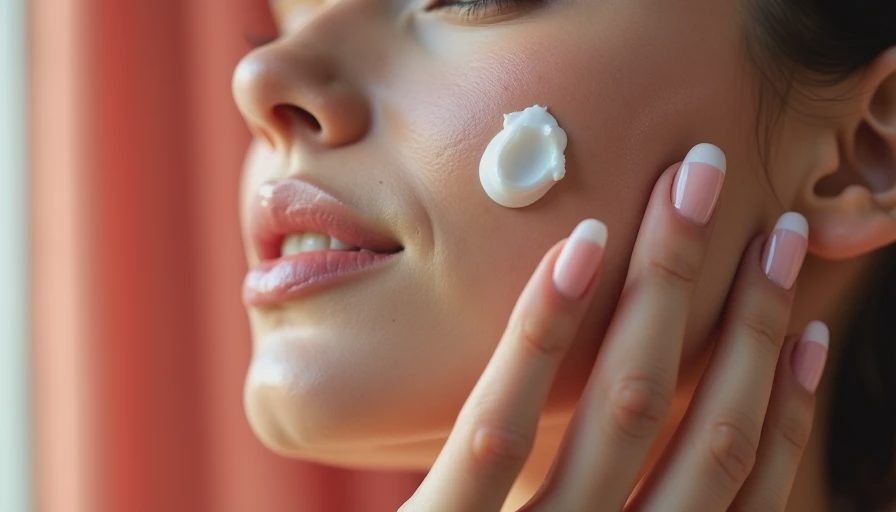
Apply a hyaluronic acid moisturizer to slightly damp skin after cleansing. You do not need a dripping-wet face; a few leftover beads of water or a quick mist are enough. Smooth on a thin layer, then give it about a minute before applying sunscreen or makeup.
A practical morning order looks like this:
- Cleanse gently, or rinse with water if your skin is comfortable and you cleansed the night before.
- Apply a hydrating toner or serum only if you already use one and like the result.
- Press in your hyaluronic acid moisturizer while skin is slightly damp.
- Apply broad-spectrum sunscreen as the final skincare step.
- Give sunscreen a moment to settle before foundation, tinted moisturizer, or concealer.
Pilling usually comes from too much product, too many layers, or formulas that do not play well together. A pea-sized amount is often enough for the face, with a little extra for the neck. Rubbing aggressively can also roll products into crumbs, especially when silicone-heavy primers meet thick creams. Press and smooth instead of scrubbing your face like a countertop.
If your foundation still separates, test the routine on one cheek. Use less moisturizer, wait another minute, and notice whether the finish improves. The goal is comfortable skin with a clean surface, not a seven-layer hydration sandwich before your first meeting.
Choosing the right texture for your skin and schedule
The best hyaluronic acid moisturizer is the one you will use consistently and that behaves well with the rest of your routine. Gel creams are often a good fit for combination or oily skin because they feel light and dry down quickly. They can work well before makeup, particularly in warm offices or during humid commutes.
Creamier formulas make more sense for dry skin, winter weather, or anyone who feels tight after washing. Look for supporting ingredients such as glycerin, ceramides, panthenol, and squalane. These are not glamorous words, but useful is better than glamorous when the train is delayed and your cheeks feel uncomfortable.
Sensitive skin does not automatically need a fragrance-free product, but fragrance can be an unnecessary variable if your face is already reactive. Essential oils and strong perfume can make a product less comfortable for some people. Patch-testing on a small area for several days is a reasonable way to avoid discovering a problem right before an important presentation.
Price is not a reliable shortcut. A $15 drugstore cream can be perfectly effective, while a $60 product may offer a nicer texture, packaging, or extra ingredients rather than dramatically better hydration. CeraVe, Vanicream, Neutrogena, La Roche-Posay, and similar lines often offer practical options at different textures and price points. Read the label, but also pay attention to whether you actually enjoy using it.
Where it fits in an efficient routine
A hyaluronic acid moisturizer is usually most useful in the morning under sunscreen and at night after cleansing. At night, you can apply it after a treatment product if the label supports that order, then add a richer cream if your skin still feels dry. You do not need both a hydrating serum and a moisturizer containing the same ingredient unless you prefer the feel and your budget allows it.
Do not treat it as a substitute for sunscreen. Hydration can make skin look fresher, but it does not protect against ultraviolet exposure. Use a broad-spectrum sunscreen with SPF 30 or higher every morning, including on workdays spent mostly indoors near windows or commuting outside.
If you use exfoliating acids, retinoids, or acne treatments, keep the rest of the routine calm. More products do not necessarily mean better skin. A gentle cleanser, moisturizer, and sunscreen can provide a useful baseline while you determine whether a stronger treatment is helping or simply making your face irritated.
Common mistakes that waste money
The first mistake is applying too much. A thick layer can feel sticky, attract lint from scarves, and make makeup slide by lunchtime. The second is applying it to completely dry skin and expecting a dramatic result. Humectants need access to water, so slightly damp skin is a more practical starting point.
Another mistake is judging a product after one use because it did not erase a crease. Hydration can temporarily soften the look of fine lines, but it cannot deliver the same result as a professional procedure. If the formula stings, causes persistent redness, or leaves your skin itchy, stop using it rather than forcing yourself to finish an expensive jar.
Finally, do not buy a product simply because the front label says “hyaluronic.” Check the full formula, container size, expiration guidance, and return policy. A basic moisturizer that disappears into your skin is a better purchase than a trendy one that sits untouched beside the sink.
A five-minute weekday test
Try the new hyaluronic acid moisturizer on a normal workday rather than saving it for a special event. Apply it after cleansing, wait one minute, and add sunscreen. Check your skin when you reach work, at lunch, and before leaving for the day. Look for tightness, shine, flaking, makeup separation, and any uncomfortable fragrance.
If your skin feels comfortable and your base makeup still looks presentable after the commute and several hours at your desk, the product is doing its job. If it feels sticky by 9:30, pills under concealer, or makes you reach for powder repeatedly, it is not the right fit, regardless of how attractive the packaging looks.
That is the useful standard: not a perfect bathroom-mirror moment, but skin that stays comfortable through real life. Pretty is nice. Useful is better. A well-chosen hyaluronic acid moisturizer can support that kind of routine without turning your morning into a chemistry lab.

No comments yet — grab the first one.