A contour stick can make a rushed makeup routine look intentional in about two minutes. That is the appeal: no loose powder cloud on your desk, no elaborate cream palette, and no need to turn your bathroom into a makeup studio before catching the train. The right contour stick adds believable shadow beneath the cheekbones, along the hairline, or beside the nose without making your face look carved out. I’m not a morning person. I’m a morning-efficient person, and this is one of the few complexion products that earns space in my weekday bag.
What a contour stick actually does
Contour is designed to imitate shadow, while bronzer adds warmth. Those jobs overlap in real life, but they are not identical. A cool or neutral contour stick can create the appearance of more structure; a golden bronzer makes skin look as if it has spent a pleasant afternoon outside. If you use a very warm brown under your cheekbones, the result can look muddy or orange, especially beneath office fluorescents.
The format is useful because the pigment goes exactly where you place it. Most sticks come in a twist-up tube with a narrow end, so you can draw a short line rather than dip a brush into a pan. That makes application faster and easier to control. It also means the product can be too concentrated if you swipe a heavy stripe and immediately start blending with a dry sponge. Start with less than you think you need. Pretty is nice. Useful is better.
A cream formula usually works best over liquid or cream foundation, skin tint, or concealer. It can work over powder, but dragging a stick across set makeup may lift the base underneath. If you prefer powder foundation, apply the contour with a small brush instead of rubbing the tube directly on your skin.
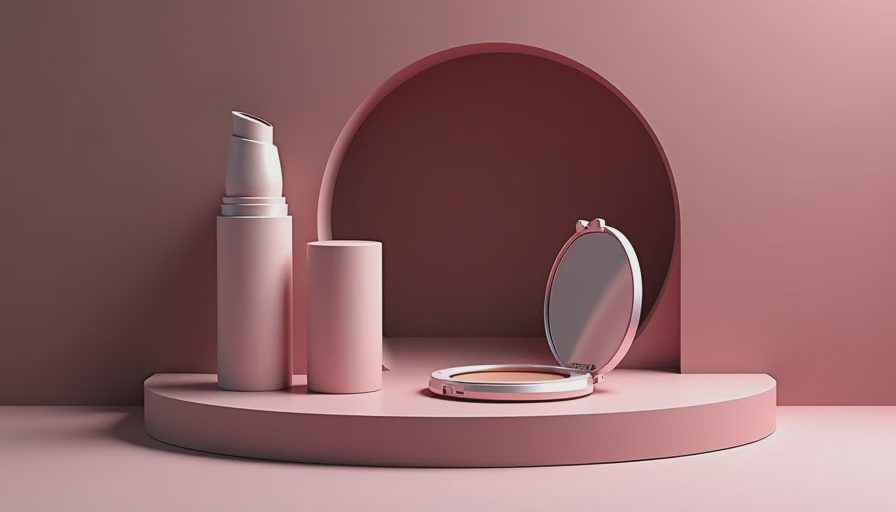
How to choose a shade without wasting money
The best contour stick is usually one or two shades deeper than your natural skin tone, not dramatically darker. Look for a shade that resembles a soft gray-brown shadow on your face. Very fair skin often suits pale taupe or cool beige. Light-to-medium skin can usually handle neutral tan, soft cocoa, or muted brown. Medium-deep and deep skin tones need enough depth to remain visible, but the undertone still matters; a rich neutral brown often looks more natural than a red-orange shade.
This is where product swatches can be misleading. A shade that looks gray in a store may blend into a convincing shadow, while a warm shade that looks flattering on the hand can turn orange near the cheek. If you shop online, compare several swatches in daylight and read reviews from people describing undertone rather than simply calling a shade dark or light.
Fenty Beauty Match Stix Matte Contour Skinstick is known for a firm, precise format and a broad shade range. Makeup by Mario SoftSculpt Shaping Stick has a creamier feel and a convenient built-in brush on some versions. e.l.f. Halo Glow Contour Beauty Wand is more fluid and forgiving, although it is technically a wand rather than a traditional stick. These products occupy different price points, so a higher price is not automatically a better match for your face or schedule.
The three-minute application that looks polished
Apply your foundation and concealer first, then pause for a few seconds so the base is not still sliding around. Place a short line just under the cheekbone, beginning near the top of the ear and stopping around the outer edge of the eye. Do not bring the product all the way to the corner of your mouth; that placement can pull the face downward.
Add a small amount at the temples and along the upper hairline if your forehead needs balance. For the nose, use a tiny brush rather than the full tube. Two narrow marks can quickly become one broad brown column, which is not the streamlined result anyone requested at 7:42 a.m. Blend upward toward the cheekbone, not down toward the jaw. A dense angled brush gives the most control, while a damp sponge creates a softer finish.
With a contour stick, pressure matters as much as shade. Tap and lift instead of scrubbing. Blend the edges first, then soften the center only if it still looks too strong. If you lose too much definition, add a pin-sized amount and tap again. This layered approach takes less time than trying to repair a dark stripe with extra foundation.
Making it survive a full workday
A contour stick can wear well through a commute, central heating, and an afternoon meeting when the layers underneath are thin. Heavy moisturizer or a slippery sunscreen can cause cream makeup to migrate, so allow skincare to settle before applying complexion products. If your skin is dry, use a hydrating primer only where you need it instead of coating the entire face in a glossy layer.
Set the center of the face lightly with translucent powder, leaving the cheek area more flexible. If you have oily skin, press powder over the outer edge of the contour with a small puff rather than sweeping aggressively with a large brush. That preserves the shape while reducing shine. A coordinating powder bronzer can add warmth, but it is not required. Using contour, bronzer, blush, and highlighter in thick layers is how a quick routine becomes a project.
In a practical wear test, check the product at lunch and again before leaving work. If the color has disappeared but the foundation remains, the formula may be too sheer or your skincare may be too emollient. If it has broken into patches, use less product and press it into the base rather than drawing a longer line. A contour stick should make your face look fresher, not announce its own location.
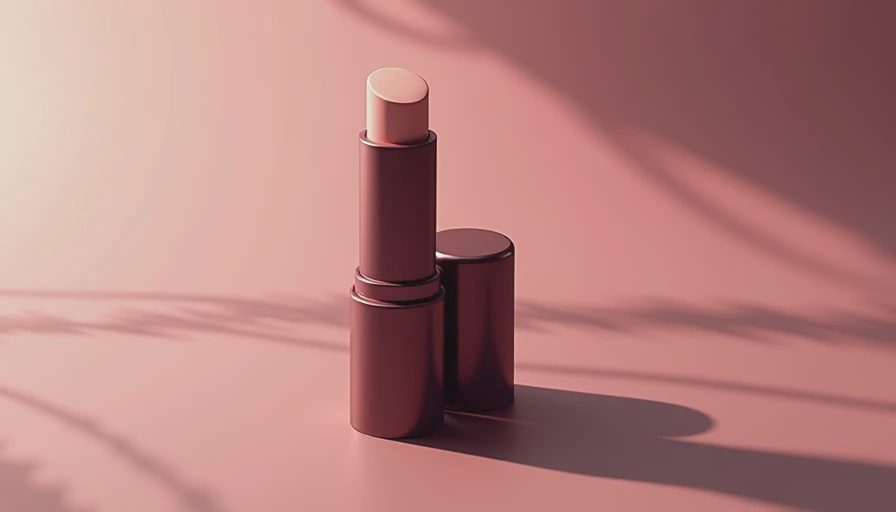
When to skip the stick
Not every face or routine needs cream contour. If you prefer a barely-there skin tint, a soft blush placed high on the cheeks may create enough dimension. If your complexion is already set with powder, a matte powder bronzer can be quicker and less disruptive. This is good, but not necessary, and there is no prize for owning a product that complicates your morning.
You may also want to skip a contour stick when the available shades are all too warm, too deep, or too gray for your skin. Do not buy a poor match simply because the packaging is attractive or a creator makes the application look effortless. Return policies matter here, because undertone is difficult to judge through a screen. Clean the tube regularly, especially if it touches unpowdered skin, and do not share it directly with another person.
For an after-work plan, the stick can be useful as a small touch-up tool. Tap a little onto the outer cheek, refresh blush, and add lip color instead of rebuilding the whole face. The goal is definition that still looks like skin in restaurant lighting, not a second makeup layer that competes with your outfit.
A sensible buying checklist
Before purchasing, decide whether you want precision or speed. A firm contour stick is better for targeted placement and tends to offer more control. A creamy formula blends quickly but can become slippery in a warm bag. Check the finish as well: matte usually looks most shadow-like, while luminous formulas can read more like bronzer or highlighter.
Think about packaging if you commute. A secure cap, twist-up mechanism, and compact shape are more valuable than a decorative component that adds bulk. A product costing about $12 to $18 can be completely serviceable, while a $30 to $45 option may offer a more refined shade range or texture. Neither price guarantees a better result.
My practical test is simple: can you apply it in under three minutes, blend it with one tool, and still like the effect after eight hours? If yes, the contour stick has a job in your routine. If it requires perfect lighting, three brushes, and a rescue layer of concealer, it is not saving time. Choose the shade carefully, use a light hand, and let the product support your face instead of taking over the morning.


No comments yet — grab the first one.