The best hair masks should make your hair easier to manage, not add another complicated appointment to your calendar. When your ends feel rough after heat styling, your color looks dull, or your hair tangles during the morning commute, a good mask can provide noticeable softness in 10 to 20 minutes. The best hair masks work as targeted maintenance between salon visits, especially when you choose a formula for your actual problem instead of buying the prettiest jar.
I have tested plenty of products that promised glassy, dramatic results and delivered approximately one pleasant shower plus a strong fragrance. That is not enough. A useful mask should improve slip, reduce the feeling of dryness, and help hair look polished under ordinary office lighting. Pretty is nice. Useful is better.
How to choose the best hair masks for your hair
Start with the condition of your hair rather than its label. Dry, coarse hair usually benefits from rich conditioning ingredients such as shea butter, plant oils, fatty alcohols, and silicones. These ingredients help smooth the cuticle and reduce friction, which is what makes brushing and styling feel easier. They do not permanently repair every split end, but they can make damaged lengths look and feel much better.
Fine or easily weighed-down hair needs a lighter approach. Look for a conditioner-like mask with humectants such as glycerin, panthenol, or aloe, and use a small amount from the ears down. A dense butter formula can leave fine hair limp by lunchtime, especially if you already use leave-in conditioner or styling cream. The best hair masks for fine strands are often less dramatic in the shower but more practical the next day.
If your hair is bleached, highlighted, or frequently curled, consider alternating moisture with a strengthening treatment. Products containing hydrolyzed proteins can temporarily reinforce the feel of weakened hair, while bond-building treatments are designed to support damaged hair fibers. More is not automatically better. Too much protein can make some hair feel stiff or straw-like, so use it occasionally and pay attention to texture.
Best hair masks by common hair concern
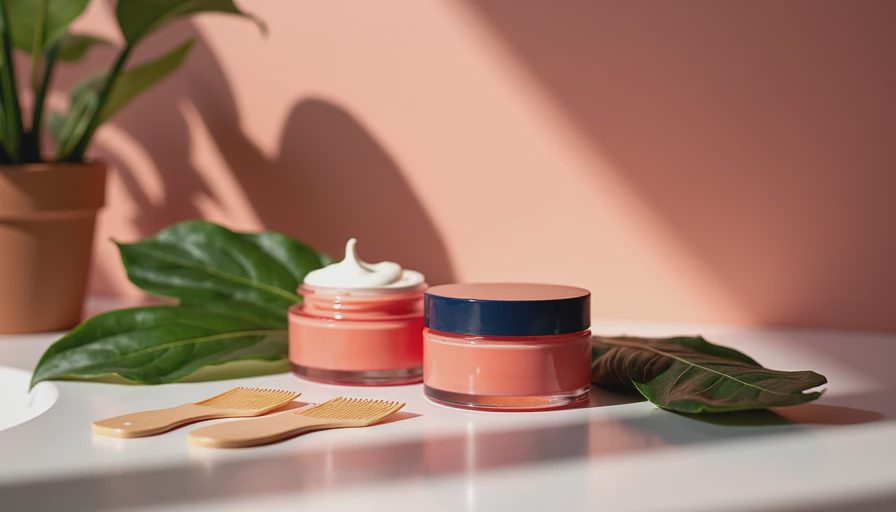
For dry ends, a rich weekly mask is usually the simplest win. Amika Soulfood Nourishing Mask is a popular example of a softening, creamy treatment that suits hair needing more moisture and slip. Briogeo Don’t Despair, Repair! is another recognizable option for dry or stressed hair, with a texture that feels more substantial than a basic conditioner. These are useful when your hair feels rough after washing, but neither needs to be applied near the roots.
For color-treated hair, prioritize formulas that leave the cuticle smooth without requiring aggressive scrubbing or very hot water. Kérastase Chroma Absolu Soin Acide Chroma Gloss is positioned around shine and color-treated hair, while Pureology Hydrate Superfood Deep Treatment offers a rich option for hair that feels parched after coloring. A mask cannot stop color from fading, but smoother hair often reflects more light and looks fresher between appointments.
For fine hair, try a lighter treatment such as Moroccanoil Weightless Hydrating Mask or a small amount of Olaplex No. 8 Bond Intense Moisture Mask. Apply from mid-length to ends, leave it on briefly, and rinse thoroughly. If your hair loses volume after one use, the product is not necessarily bad; it may simply be too rich for your routine. This is good, but not necessary if your regular conditioner already leaves your ends soft.
How to use a hair mask without wasting product
The application matters more than beauty packaging suggests. Shampoo first, then squeeze excess water from your hair. Hair that is dripping wet dilutes the mask and encourages it to slide away before it coats the strands. Divide long or thick hair into two or four sections and work a small amount through the lengths. Use your fingers or a wide-tooth comb to distribute it, but do not yank through knots.
Follow the timing on the label. Leaving a mask on for an hour does not automatically turn it into a salon treatment, and some formulas can leave buildup when overused. Ten minutes is enough for many moisturizing masks. Rinse with lukewarm water until the hair feels conditioned but not coated. Finish with a cooler rinse if you like the sensation, but you do not need an icy shower to get results.
Use one mask once a week to start. Very dry or textured hair may tolerate two weekly treatments, while fine hair may need one every other week. If you use dry shampoo, hairspray, or silicone-heavy styling products, occasional clarifying shampoo can help remove residue before a treatment. Do not clarify every wash, because that can make the original dryness worse.
A realistic workweek routine
Sunday evening is a convenient time for one of the best hair masks because you are not racing to catch a train or join a 9 a.m. video call. Shampoo, apply the treatment, and let it sit while you finish a shower or set out clothes for Monday. After rinsing, let your hair partially air-dry before using a heat protectant and blow dryer. The goal is not a 14-step ritual. It is starting the week with hair that requires less negotiation.
For a midweek refresh, skip the full mask and use a pea-sized amount of conditioner on the ends during your normal wash. If the ends still feel rough, apply a lightweight leave-in product after towel drying. This prevents the common mistake of piling on a deep treatment, oil, cream, and serum, then wondering why your hair looks flat. One targeted product usually gives a cleaner result.
When traveling, transfer a small amount into a leakproof container instead of packing a full jar. A mask that works as a pre-event smoothing treatment can be useful before a dinner, wedding, or presentation, but test it at home first. You do not want to discover that a rich formula makes your hair greasy 30 minutes before leaving for the airport.
Ingredients worth paying attention to
For softness, look for fatty alcohols such as cetyl alcohol or stearyl alcohol. These are conditioning ingredients, not the same thing as harsh drying alcohols, and they help create a smooth, creamy texture. Glycerin and panthenol can attract or hold moisture, although the overall formula matters more than any single ingredient. Oils such as argan, coconut, or jojoba can improve shine and reduce the rough feel of dry ends.
For damaged hair, hydrolyzed keratin, wheat protein, or silk protein may make strands feel stronger temporarily. Bond-focused products can be helpful when hair has been lightened or repeatedly heat styled, but they are not a substitute for trimming split ends or lowering hot-tool temperature. If your hair snaps, stretches unusually when wet, or shows severe chemical damage, a professional assessment is more useful than buying three new masks.
Fragrance is also worth considering. A heavily scented mask can feel luxurious in the shower but become annoying in a small office or shared car. If your scalp is sensitive, keep rich masks on the lengths and away from the scalp. Hair masks are generally designed to condition strands, not treat scalp irritation.
What is actually worth buying?
The best hair masks are the ones you will use consistently and rinse without turning Tuesday morning into a styling emergency. A $12 drugstore treatment can outperform a $70 jar if it matches your hair and fits your schedule. Garnier Hair Filler, Aussie 3 Minute Miracle, and Dove intensive treatments can be sensible starting points for shoppers who want softness without a major investment. Higher-priced choices from Kérastase, Oribe, or Virtue can offer elegant textures and distinctive formulas, but the price alone does not guarantee a better match.
Buy the smallest size when possible, especially if your hair is fine or your routine changes seasonally. In Chicago winter, indoor heat can make ends feel dry, while humid summer weather can make rich products feel heavy. Keep notes after the first and second use: Was detangling easier? Did the hair stay soft the next morning? Did it hold volume? Those answers are more useful than a shiny product photo.
The best hair masks should save time after the shower, not create more work. Choose one based on moisture, strength, or weight control, use it in a measured amount, and give it two or three uses before judging it. I’m not a morning person. I’m a morning-efficient person, and hair that behaves before the first meeting is a very reasonable beauty goal.
No comments yet — grab the first one.