If you are wondering how to get gel nail polish off without turning your nails into thin, peeling sheets, the answer is patience plus the right removal method. Gel polish is designed to stay put through commutes, dishwashing, long meetings, and the occasional attack from a desk drawer. That durability is useful until you are ready for a clean manicure change.
The good news is that you do not need an expensive salon appointment every time. With acetone, cotton, foil or nail clips, a file, and about 20 to 30 minutes, you can remove most soak-off gel polish at home. The goal is not to force the color away. The goal is to soften the product until it slides off with minimal pressure.
What you need before you start
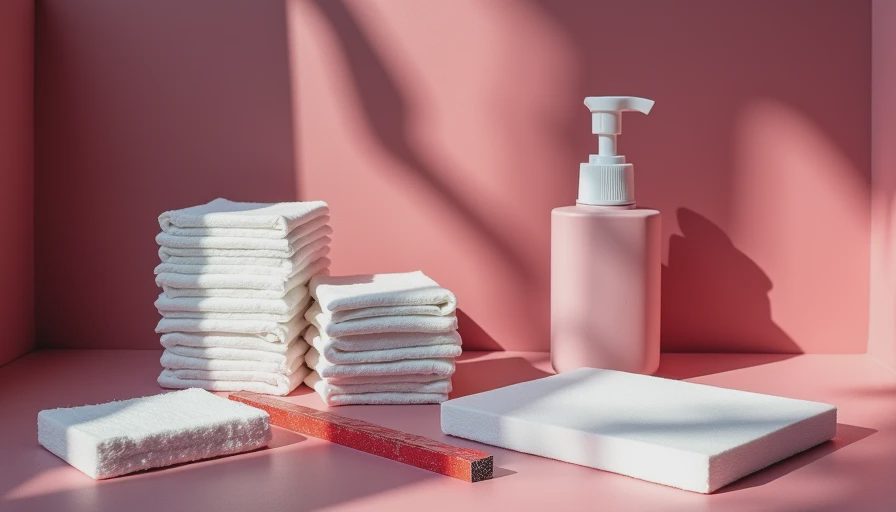
Gather everything before you begin, because wrapped fingers are not ideal for rummaging through a bathroom cabinet. You need pure acetone rather than ordinary remover, a coarse nail file, cotton balls or small cotton rounds, aluminum foil cut into strips, and a wooden orangewood stick or cuticle pusher. Have cuticle oil or a thick hand cream nearby for afterward.
A glass or ceramic dish can hold the acetone if you prefer soaking, but foil wraps usually use less product and feel less harsh on the surrounding skin. Nail clips are reusable and convenient, although foil works perfectly well. I also recommend a towel or paper towel under your hands. Acetone can dull some countertops and damage finishes, which is a boring surprise nobody needs after work.
Before applying acetone, wash and dry your hands. Then gently file the shiny topcoat on each nail. You are not trying to remove the color; you are breaking the sealed surface so acetone can reach the gel layers. Stop when the shine is gone and the surface looks matte. Filing aggressively into the natural nail is not a shortcut. It is just damage with better marketing.
How to get gel nail polish off with foil wraps
The most reliable approach for how to get gel nail polish off is a controlled acetone wrap. Cut cotton into pieces that cover each nail, soak them in acetone, and place one on every nail. Wrap foil tightly around each fingertip to hold the cotton in place. The foil should be snug enough to prevent evaporation but not so tight that your fingers throb.
Let the wraps sit for 10 to 15 minutes. Timing depends on the polish brand, the number of layers, and whether you used builder gel or a hard gel product. Check one nail first. The gel should look wrinkled, lifted, or flaky around the edges. If it still looks smooth and firmly attached, rewrap it for another five minutes rather than scraping harder.
Remove one wrap at a time. Use the foil and cotton to apply a little pressure as you pull it away, then gently push softened gel from the cuticle area toward the tip. If the product resists, stop and soak again. Properly softened gel often comes away in small rubbery pieces. It should not require digging, prying, or the dramatic use of a metal tool.
What to do when the polish will not budge
When learning how to get gel nail polish off, the most common mistake is treating stubborn gel like a sticker. Peeling can remove layers of the natural nail along with the polish, leaving nails rough, flexible, and sensitive. Scraping with a sharp metal implement creates the same problem faster.
Instead, file the surface again very lightly if it has become shiny, then apply fresh acetone and another cotton wrap. Keep the product covered while it works. A warm room can make the process more comfortable, but do not heat acetone in a microwave, over a flame, or with a hot tool. Acetone is highly flammable, so use it away from candles, cigarettes, hair tools, and open flames.
Some products are not true soak-off gels. Hard gel, acrylic overlays, and certain builder-gel systems may need professional filing because acetone will not dissolve them effectively. If you cannot identify the product or your natural nail begins to feel hot, painful, or unusually thin, stop. Removing a manicure is not worth turning a small beauty task into a six-week nail recovery project.
Aftercare for nails that feel dry
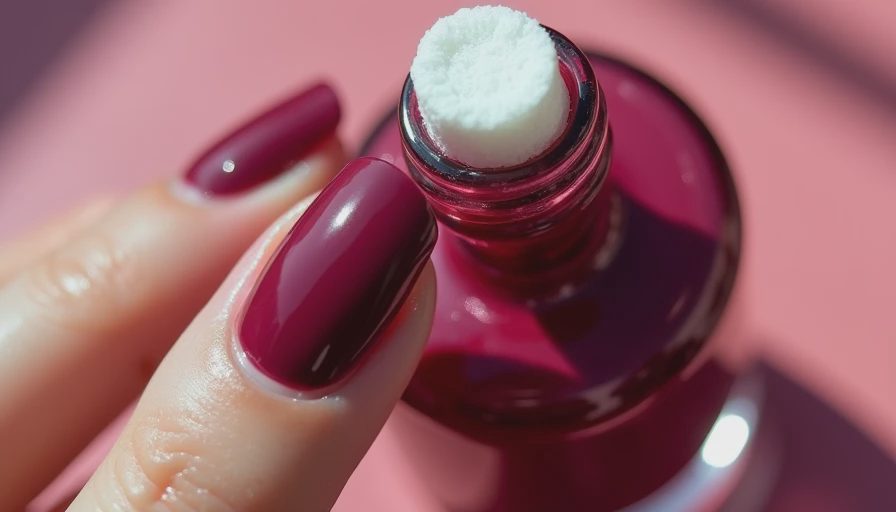
Acetone removes oil from the skin and nail area, so dryness afterward is normal. Once the color is gone, wash your hands with mild soap and lukewarm water. Use a fine buffer only on small leftover patches, not across the entire nail. Then massage cuticle oil into the nail folds and apply a hand cream containing ingredients such as glycerin, petrolatum, or shea butter.
If your nails feel flexible or peel at the tips, keep them short for a week or two. A simple clear protective coat can reduce snagging, but it will not repair structural damage overnight. Avoid picking at loose layers, and use gloves for cleaning jobs involving hot water or household chemicals. Pretty is nice. Useful is better, especially when your hands have emails to type and groceries to carry.
How to make the next manicure easier to remove
The easiest way to get gel nail polish off next time is to make removal part of the manicure plan from the beginning. Ask for a soak-off gel system if you are visiting a salon, and ask what product was applied before you leave. Knowing whether you have gel polish, builder gel, or acrylic changes the correct removal process.
At home, keep layers thin and avoid flooding the cuticle area. Thick polish takes longer to soften and is more likely to tempt you into peeling. Wear gloves when washing dishes, and do not use your nails as tools to open cans, lift labels, or pry open packages. Those habits affect how well the manicure wears and how healthy the natural nail remains underneath.
I also keep a small removal kit in a drawer with cotton, foil, acetone, and oil. That setup prevents the classic late-night situation where one nail has lifted and the rest remain untouched for three days. A prepared kit makes how to get gel nail polish off feel like a routine instead of an emergency.
A quick weekday removal plan
If you have a busy evening, remove the gel after a shower when the skin is warm and you have already set aside a podcast or television episode. File both hands first, then wrap one hand completely before starting the other. While the first hand soaks, you can answer a few low-stakes messages, but avoid cooking or touching fabric you care about while wearing acetone wraps.
Budget about 30 minutes from setup to moisturized hands. Salon removal often costs around $10 to $20 when added to another service, while a bottle of pure acetone and reusable clips can cover several at-home sessions. The better value depends on your time and the product involved, but rushing usually costs more in nail damage and repair products.
The short version of how to get gel nail polish off is simple: file away the shine, soak with pure acetone, wait long enough, and push only softened product. Do not peel, gouge, or force it. Once the nails are clean, oil them and give your hands a few minutes of ordinary care. I’m not a morning person. I’m a morning-efficient person, and a calm removal routine is much more efficient than repairing nails damaged by impatience.
No comments yet — grab the first one.