If you know how to remove gel polish correctly, the process is less dramatic than the horror stories suggest. The real problem is usually not gel itself; it is peeling, scraping, or rushing the removal until layers of the natural nail come along for the ride. I have made this mistake before a Monday meeting, and the result was thin, bendy nails that caught on every sweater in my closet. Pretty is nice. Useful is better, especially when your manicure has to survive a commute and a full workday.
The safest home method uses a little nail filing, pure acetone, cotton, foil, and time. Set aside about 25 to 40 minutes, depending on how thick the manicure is. If you are working with hard gel or builder gel, stop before you start: those products often need professional filing rather than an acetone soak.
What You Need Before You Start
Gather everything first so you are not walking around with foil-covered fingertips looking for supplies. You need 100% acetone, a regular nail file with a medium grit, cotton balls or small cotton pads, aluminum foil, a cuticle pusher, and cuticle oil or a rich hand cream. A glass or ceramic bowl can hold the acetone, but avoid soaking your entire hand when targeted cotton wraps will do the job. Acetone is drying and flammable, so use it in a ventilated room and keep it away from candles, stovetops, and heat sources.
A coarse file can remove the shiny top layer, but do not aggressively thin the natural nail underneath. If your skin is sensitive, apply a narrow ring of petroleum jelly around each nail before wrapping. That creates a little barrier without preventing the acetone from reaching the polish. Before learning how to remove gel polish, check the manicure in good light. Lifted edges, cracks, green discoloration, swelling, or pain are reasons to contact a nail professional instead of covering the issue with another coat.
The Step-by-Step Removal Method
Start by shortening the nails if they are long. Then gently file across each nail until the glossy surface looks matte. You are not trying to remove all the color. You are breaking the sealed topcoat so acetone can penetrate the layers. Use light, even strokes and stop if you see your natural nail becoming chalky or feel heat from friction.
Cut cotton into pieces roughly the size of each nail and saturate them with acetone. Place one piece over each nail, then wrap the fingertip snugly with a small square of foil. The foil holds the cotton in place and slows evaporation. Let the wraps sit for 10 to 15 minutes. Working on one hand at a time makes the process easier, particularly if you still need to answer a text or open a cabinet.
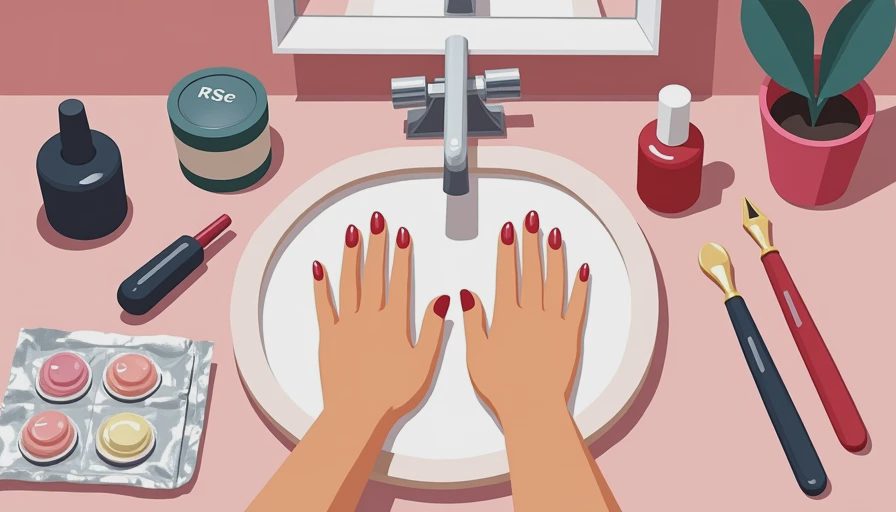
After the first soak, remove one wrap and test the surface with a wooden orangewood stick or cuticle pusher. The gel should look wrinkled, cracked, or lifted. If it slides away with gentle pressure, continue. If it stays hard and smooth, replace the acetone-soaked cotton and wait another five minutes. Do not use force to compensate for insufficient soaking. That is how how to remove gel polish becomes how to remove half your nail plate.
Once the softened product is off, lightly buff away small remaining patches. Keep the tool nearly flat and use minimal pressure. If a section refuses to move after a second soak, leave it alone or book a removal appointment. A salon removal commonly costs around $10 to $25 when added to another service, which is cheaper than trying to repair severely damaged nails with endless strengthening products.
What Not to Do During Removal
Do not peel gel polish from the corner, even if it has started lifting. The product can bond to the surface layers of your nail, and peeling may remove those layers with it. Do not pry under the manicure with tweezers, a metal scraper, or another sharp tool. Your nail is not a sticker sheet, and a satisfying little snap can create weeks of weakness.
Avoid soaking for an hour because more acetone is not automatically better. Long exposure can leave the surrounding skin painfully dry and irritated. Never use nail polish remover labeled only with a small amount of acetone if you expect a quick result; many gentle removers are not strong enough to break down gel. Also avoid filing until every trace disappears. A thin, smooth film is safer than filing into the natural nail.
If you have a lamp-cured extension, dip powder over gel, hard gel, or builder gel, the ordinary cotton-and-foil method may not work. Hard gel is designed to remain on the nail during soaking and generally needs controlled filing. When in doubt, ask the salon what product was used. Product names matter more than the color on top.
Aftercare for Thin or Dry Nails
When the gel is gone, wash your hands with mild soap and lukewarm water, then pat them dry. Apply cuticle oil to the nail plate, sidewalls, and cuticles. Jojoba-based oils feel light and absorb quickly, while a thicker cream or balm is useful before bed. I keep a small oil pen beside my keyboard because remembering after the fact is better than pretending I will remember tomorrow morning.
Give your nails a break from another gel set if they feel sore, unusually flexible, or visibly peeled. A short coat of regular polish is fine if the surface is comfortable, but it will not repair structural damage. Keep nails trimmed, wear gloves for dishwashing, and moisturize after hand sanitizer dries. Nails grow slowly, so damaged sections usually need time to grow out rather than a miracle treatment in a glass bottle.
A simple weekly routine works well: oil once or twice daily, cream after washing, and gentle filing only when an edge catches. Avoid aggressive buffing and products that sting cracked skin. If redness, swelling, persistent pain, or discoloration develops, skip polish and see a medical professional. Acetone dryness is common; worsening irritation is not something to camouflage.
When Professional Removal Makes More Sense
Home removal is practical when the manicure is ordinary soak-off gel and you have enough time to be patient. A salon is the smarter choice when the product is thick, unfamiliar, partially lifted, or attached to extensions. Professional removal also makes sense if you are tempted to pick because you have a 7 a.m. meeting and no patience left. Spending 15 minutes with a technician can prevent a month of fragile nails.
The next time you book a manicure, ask whether the color is soak-off gel, hard gel, or builder gel before leaving. That one question tells you what removal will involve. If you regularly do your nails at home, label your bottles and keep acetone, cotton, foil, and oil together in a small container. The next removal becomes a planned maintenance task instead of a late-night experiment.
Knowing how to remove gel polish is mostly about respecting the softening process. File the shine, wrap with saturated cotton, wait, and gently push away only what has released. There is no prize for finishing fastest. I’m not a morning person. I’m a morning-efficient person, and that means protecting the nail underneath so the next polished look starts with a healthy surface.



No comments yet — grab the first one.