Duo lash glue is one of those makeup-bag products that sounds simple until you are standing in front of a mirror with one lash attached to your eyelid and the other stuck to your finger. I have been there, usually five minutes before a work event. The good news is that the right formula and a repeatable application method make false lashes much less dramatic. You do not need a professional kit, a magnifying mirror, or the patience of a saint. You need the correct amount of adhesive, a little wait time, and lashes that fit your eye.
What makes Duo lash glue useful?
Duo is popular because it is widely available, comes in several formulas, and is designed specifically for strip lashes. The classic clear adhesive dries transparent, while dark or black formulas can blend into eyeliner. There are also brush-on versions that are easier to control than a squeeze tube, especially when you are getting ready in a small bathroom before work.
The biggest practical difference is drying time. Freshly applied lash glue is usually too slippery to hold a strip immediately. Waiting about 20 to 30 seconds allows the adhesive to become tacky, which helps the lash grip instead of sliding around. This is the detail that separates a smooth application from a lash that slowly migrates toward your temple during a meeting.
Duo lash glue is not magic, and it is not meant to be applied directly to natural lashes like mascara. It belongs on the lash band, not in your eye. If your eyes are sensitive, look for a latex-free version and patch-test a small amount on your skin before wearing a full strip. Redness, burning, swelling, or persistent watering is a reason to remove the product rather than push through it.
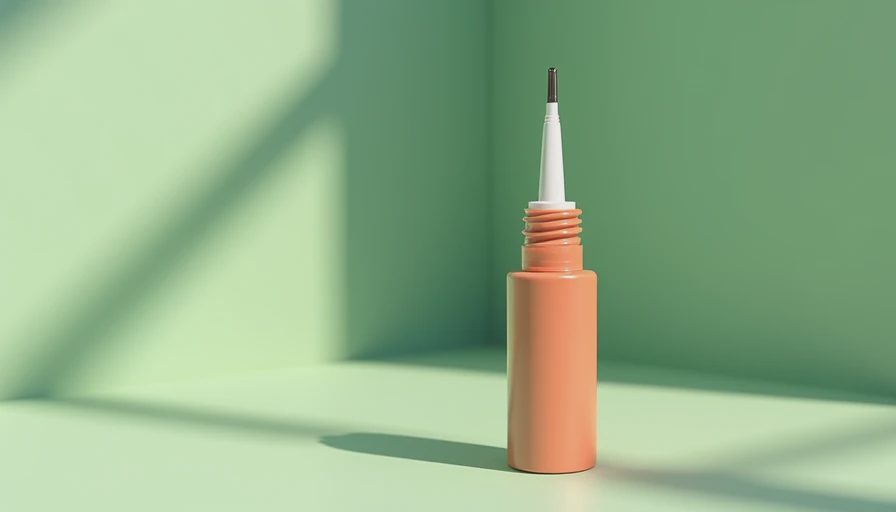
Clear, dark, brush-on, or latex-free?
Choosing between formulas depends on your routine, not on which tube has the most impressive packaging. Clear Duo lash glue is the safest everyday choice because small application mistakes become less noticeable once the adhesive dries. It works well with brown, black, and colorful lash bands, and it is forgiving when you are still learning.
Dark adhesive can be convenient if you already wear black liner and want the lash band to disappear into it. It is less forgiving, though. A little excess can look like a smudged line, so I would save it for evenings or for days when your eyeliner is already part of the plan.
Brush-on adhesive is my weekday pick. The fine applicator lets you paint a thin line along the band without squeezing out a blob. Latex-free versions are worth considering if traditional formulas make your eyelids itchy or watery. They can still require careful removal, but avoiding a known irritant is more important than forcing yourself to use a popular formula.
How to apply Duo lash glue without the morning meltdown
Start with clean, dry eyelids. Skincare, eye cream, and oily liner can keep the adhesive from gripping. Apply your eyeshadow and eyeliner first, then hold the strip against your lash line without glue. Trim from the outer edge if it is too long. Cutting from the inner corner can remove the shorter, more natural-looking lash section.
Next, apply a thin line of Duo lash glue directly to the strip band. Do not coat the lashes themselves. Add a touch more adhesive to the inner and outer corners because those areas tend to lift first, but avoid creating thick puddles. Set the strip down for 20 to 30 seconds while holding it with tweezers or a lash applicator. The band should feel tacky rather than wet.
Look slightly downward into a mirror and place the center of the strip near the base of your natural lashes. Secure the outer corner, then the inner corner. Press the false lash and your natural lashes together gently with tweezers or clean fingertips. If one section is crooked, adjust it while the adhesive is still workable instead of adding more glue on top.
Duo lash glue performs better when the strip is placed beside the natural lash line, not on the waterline. Your eyes need room to blink comfortably. Give the adhesive another minute to set before curling the lashes or applying mascara. A small amount of mascara can merge the natural and false lashes, but heavy coats make removal harder and can shorten the life of the strip.
Making false lashes survive a full workday
A lash that looks perfect in the apartment may face train-platform wind, office air conditioning, a lunch break, and an after-work reservation. Duo lash glue can hold well through a normal day when the skin is prepared properly, but the corners deserve a quick inspection before you leave the house.
Keep a cotton swab and a small mirror in your desk drawer or makeup bag. If a corner lifts, do not smear more glue across your eyelid. Lift the loose section carefully, add a tiny amount to the band with the tip of the applicator, wait until tacky, and press it back down. This repair takes less than a minute and looks much better than repeatedly poking at the lash.
Humidity, tears, and watery eyes can shorten wear time. Waterproof eye makeup does not automatically make lash adhesive waterproof, so do not treat a strip lash as indestructible. If you know you will be outside in heavy rain, attending a long event, or dealing with seasonal irritation, a lighter lash style is often more comfortable than a dramatic, heavy band.
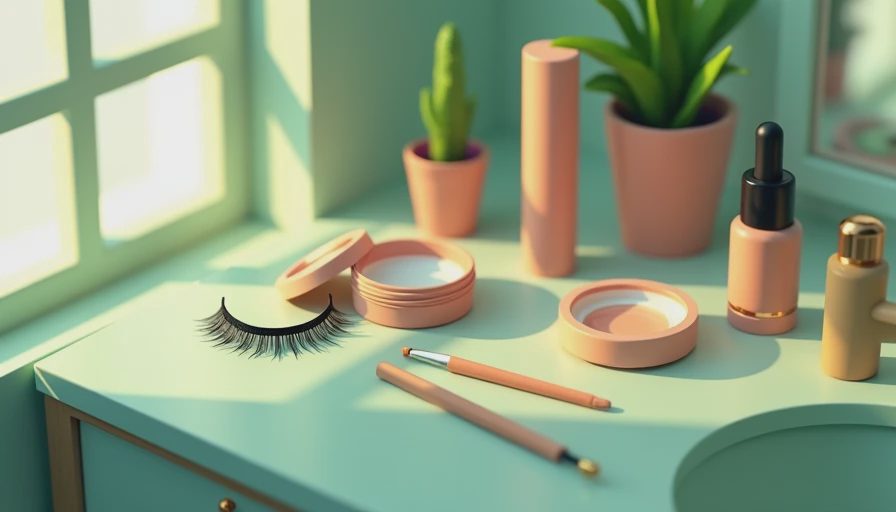
Removing Duo lash glue safely
Removal should be boring. That is a compliment. Soak a cotton pad with an oil-based eye makeup remover or a dedicated lash adhesive remover, then hold it over the closed eye for 20 to 30 seconds. This softens the adhesive and reduces the temptation to pull. Start at the outer corner and peel the strip inward slowly.
Never yank a strip off dry. Doing so can pull natural lashes, irritate the eyelid, and leave adhesive stuck along the lash line. After removing the strip, massage a little remover over the remaining residue and wipe gently. Clean reusable lashes with care, remove adhesive from the band, and let them dry fully before returning them to their case.
Duo lash glue should come off without sharp pain or a stretched, burning feeling. If your eye becomes swollen, intensely red, or painful, stop using the product and seek medical advice if symptoms continue. Eye products are not the place to test your tolerance for discomfort.
Is Duo lash glue worth keeping?
For most working makeup routines, yes. Duo lash glue is inexpensive, easy to find at drugstores and beauty retailers, and available in enough formulas to cover everyday and evening needs. It is good, but not necessary for every look. If mascara gives you the definition you want, skipping false lashes saves time. If your lashes disappear under office lighting or you want a polished change for dinner, a lightweight strip and a thin adhesive line can make a noticeable difference.
My practical setup is one clear brush-on formula, a pair of short natural-looking lashes, tweezers, and a small mirror. That is enough for a five-minute upgrade without turning your bathroom counter into a makeup laboratory. Practice once on a low-stakes morning, trim the strips before an important event, and remember that tacky glue works better than wet glue.
Duo lash glue rewards technique more than enthusiasm. Use less than you think, wait before placing the strip, secure the corners, and remove it patiently at night. Pretty is nice. Useful is better, especially when you have a commute, a meeting, and somewhere to be after work.



No comments yet — grab the first one.