Gommage is one of those beauty terms that sounds more complicated than the actual routine. In practice, it is a gentle exfoliating treatment designed to lift dead skin cells and surface buildup, often with a soft gel that rolls away as you massage it. For a busy weekday schedule, that can be appealing: smoother-looking skin without a gritty scrub, long appointment, or ten-step production.
I first paid attention to gommage after a rushed morning when my makeup looked uneven around my nose and chin. The problem was not necessarily dry skin. It was a mix of flaky patches, leftover skincare, and foundation trying to sit on top of all of it. A short exfoliating session helped, but only because I used the product carefully. More rubbing is not a skincare strategy.
What gommage actually does
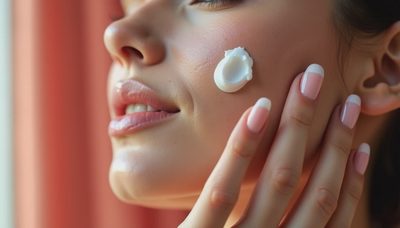
The word is associated with a French-style exfoliation method. Most formulas use a gel or cream texture that you smooth over clean, dry skin. As you massage, the product forms little rolls or flakes. Those visible bits are not automatically your dead skin coming off in dramatic quantities. They are usually a mixture of the formula, oils, and loosened surface debris. That distinction matters because the visual effect can be satisfying while the real benefit is simply mild surface exfoliation.
A gommage formula can include ingredients such as cellulose, enzymes, acids, or moisturizing agents. Cellulose helps create the rolling texture, while enzymes or low-level acids can support exfoliation more directly. The label tells you what kind of experience to expect. An enzyme-based product may feel smoother and less abrasive than a traditional scrub, but it can still be too much for reactive skin if used frequently.
The immediate result is usually a cleaner, softer surface rather than a complete skin transformation. Pores are not being vacuumed out, and a single use will not erase acne scars or fine lines. This is good, but not necessary for everyone. If your cleanser, moisturizer, and sunscreen already keep your skin comfortable and even, adding another exfoliant may only create another opportunity for irritation.

How to use gommage without overdoing it
Start with clean, dry skin unless the product instructions specifically say otherwise. Apply a thin layer to the cheeks, forehead, nose, and chin, avoiding the eyelids, corners of the nose, and any cracked areas. Let it sit for the stated time, if the directions include one. Then massage lightly with clean fingertips. The goal is to move the product, not scrub until your face feels squeaky.
Rinse with lukewarm water and follow with a simple moisturizer. That is the whole evening routine. You do not need to pair gommage with a retinol, strong vitamin C serum, exfoliating toner, and clay mask on the same night. Skin that feels tight after treatment is not proving that the product worked harder. It is giving you useful information that your routine was too aggressive.
For most people, once every seven to ten days is a sensible starting point. If your skin remains comfortable, you can decide whether weekly use adds anything noticeable. Patch testing near the jawline first is especially smart if the formula contains enzymes, alpha hydroxy acids, or fragrance. Pause if you notice burning, persistent redness, swelling, or unusual sensitivity.
Who should use gommage?
This exfoliation style can suit normal, combination, and mildly dry skin that looks dull or feels rough from surface buildup. It can also be useful before an occasion when you want makeup to sit more smoothly, provided you test the product in advance. I would not experiment with a new treatment at 7:45 a.m. before a client presentation. That is how a harmless beauty plan becomes a concealer emergency.
People with sensitive, rosacea-prone, eczema-prone, or actively irritated skin should be more cautious. A gentle texture does not guarantee a gentle formula. Fragrance, botanical extracts, acids, and vigorous massage can all cause trouble. If you are using prescription acne treatments or have recently had a peel, waxing service, or professional treatment, skip extra exfoliation until your skin barrier feels normal again.
Acne-prone skin also needs a realistic expectation. Gommage may remove surface flakes, but it is not a treatment for clogged pores or inflammatory breakouts. Picking at blemishes while using it is likely to make the situation worse. A plain cleanser and a product recommended for acne concerns may be more useful than chasing the most dramatic rolling effect.

Gommage versus a scrub, peel, or exfoliating toner
A physical scrub uses particles or a textured base to create friction. That can feel effective, but coarse particles and heavy pressure are not ideal for every face. Gommage usually feels more controlled because the gel does some of the work, although the massage still creates friction.
A chemical peel or exfoliating toner uses ingredients such as glycolic acid, lactic acid, salicylic acid, or enzymes to loosen dead cells. These products can be more predictable once you understand the concentration, pH, and your own tolerance, but they are not automatically milder. A toner may be convenient for a weekly routine; a gommage may be easier for someone who prefers a visible, rinse-off treatment.
The best choice is the one you can use consistently without dryness or stinging. You do not need one product from every exfoliation category. Pick one approach, use it cautiously, and judge the result by comfort, texture, and how your makeup wears the next day.
How to fit gommage into a workweek
Use gommage at night, ideally when the next morning is not packed with travel, outdoor plans, or an early presentation. After cleansing, keep the rest of the routine boring: moisturizer, and perhaps a hydrating serum you already know your skin tolerates. The next morning, wear broad-spectrum sunscreen with SPF 30 or higher, especially if your treatment includes acids or enzymes.
For a Chicago winter commute, I would use less product and massage for less time because cold air and indoor heat can leave skin already stressed. In humid summer weather, a lightweight moisturizer may feel better than a rich cream. If you travel, pack a small familiar formula rather than buying a new exfoliant at the airport. Pretty is nice. Useful is better.
Watch your makeup as a practical test. If foundation looks smoother around the mouth and nose without emphasizing flakes, the routine is doing something helpful. If your skin becomes shiny, tight, red, or patchy by lunchtime, reduce frequency or stop. A polished face should not require ignoring warning signs.
What to look for before buying
Read the ingredient list instead of choosing based only on the amount of product that rolls off. Look for a texture you can spread thinly and instructions that give a clear contact time. If you have sensitive skin, a fragrance-free option with a short ingredient list is a reasonable place to start. A $15 to $30 formula can perform perfectly well; a $70 jar is not automatically more effective.
Avoid stacking several exfoliating products because a package promises brighter skin in one night. Check whether your cleanser already contains salicylic acid or whether your serum uses glycolic or lactic acid. Those details change how often you should exfoliate. When in doubt, simplify for two weeks and reintroduce one product at a time.
Gommage can be a useful small upgrade for rough, dull-looking skin, but it is not a requirement for looking polished. Used once a week with light hands, it can make the rest of your routine feel more efficient. Used daily or aggressively, it can create the very dryness you were trying to fix. I’m not a morning person. I’m a morning-efficient person, and that means choosing skincare that works quietly instead of demanding a rescue plan.

No comments yet — grab the first one.