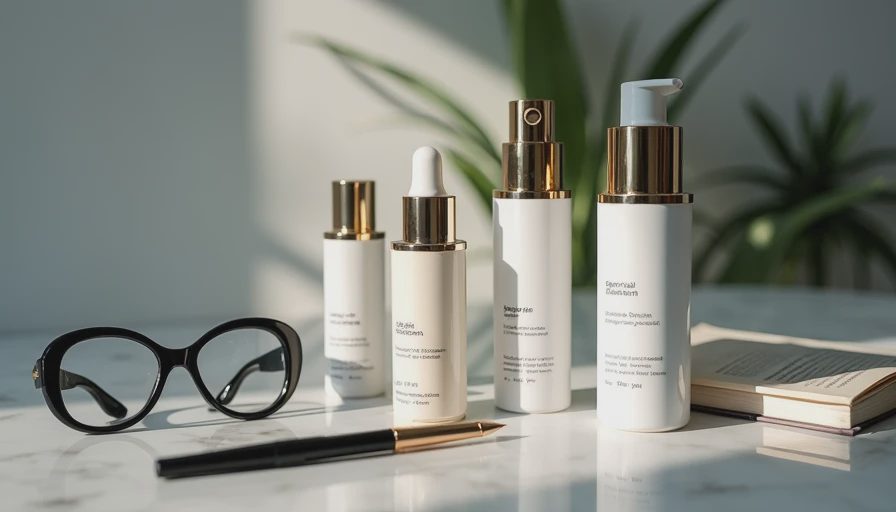
Let me tell you something I learned behind the Sephora counter: the most expensive packaging usually contains the most average formula.
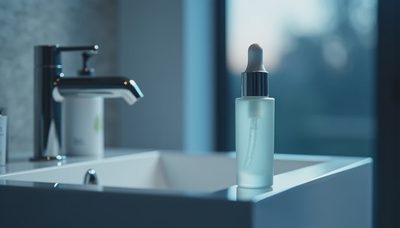
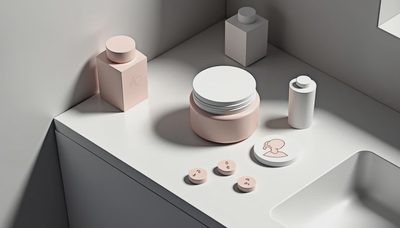
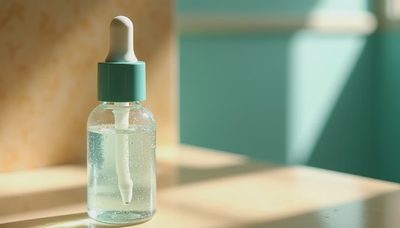
I watched it happen every shift. A customer would walk in, pick up something with a beautiful bottle and a buzzword on the front, and walk out convinced they'd just bought the answer to all their skin problems.
Three weeks later, they'd be back. Returning it. Asking why it broke them out or didn't do anything.
Here's the thing about beauty marketing: it's designed to make you feel smart for buying it. Not to actually teach you anything.
So let's demystify three of the most common buzzwords you'll see on every shelf.
"Natural"
Everyone wants natural. It sounds healthy. It sounds safe. It sounds like you're making a good choice.
Here's what it actually means: absolutely nothing regulated.
The FDA doesn't define "natural" for cosmetics. A brand can slap that word on a product that's 90% synthetic and 10% plant extract, and they're not lying. They're just playing the game.
What you should actually look for:
Specific plant extracts named, not just "natural ingredients"
Preservation systems that actually work (natural doesn't mean bacteria-free)
Products that tell you what they aren't using, not just what they are
A product can be full of natural ingredients that irritate your skin. Lavender oil is natural. Eucalyptus oil is natural. Both can cause reactions. "Natural" is not a safety seal.
"Clean"
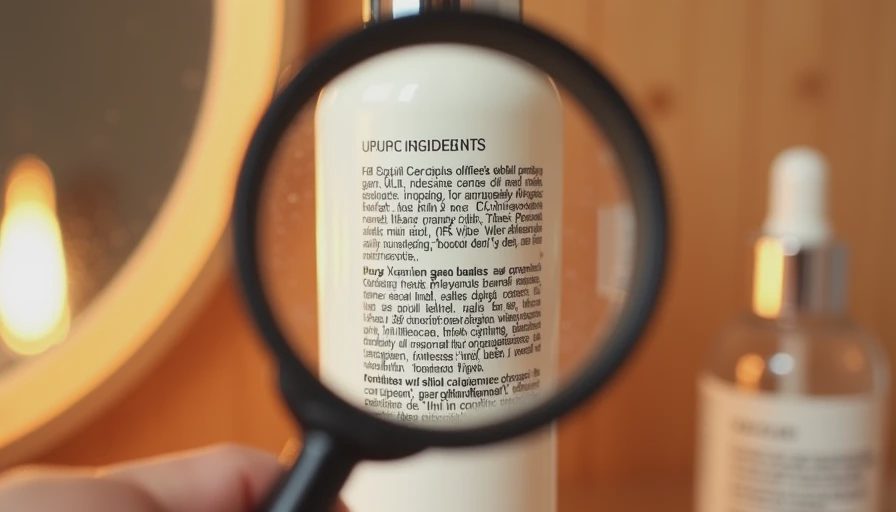
This one's trickier because it means something different depending on who you ask. Sephora has a "Clean + Planet Positive" seal. Credo Beauty has their own standards. Ulta has "Conscious Beauty."
Here's the reality: "clean" usually means "free from a specific list of ingredients." But that list varies from brand to brand. There's no single standard. One brand's "clean" is another brand's "we didn't want to use these three things so we're marketing it."
What you should actually look for:
The actual list of excluded ingredients. Are they things you care about? (Parabens? Sulfates? Phthalates?)
Whether the brand explains why they excluded them
Evidence that the product performs without those ingredients
Some clean products are fantastic. Some clean products go bad in three months because their preservative system is weak. Keep your expectations realistic.
"Non-Comedogenic"
This one means "won't clog pores." And it's actually one of the more useful claims because there's some testing behind it.
But here's the catch: non-comedogenic testing is usually done on rabbit ears or human backs. Not human faces. And not faces with combination skin that gets oily in some places and dry in others.
What clogs my pores might be totally fine for you. What you can't use might be my holy grail.
What you should actually do:
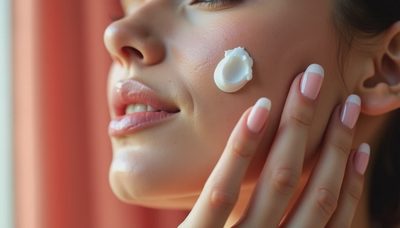
Test products on a small patch of your jawline before going all in
Pay attention to how your skin reacts, not what the label promises
Check the actual ingredient list for common pore-cloggers like coconut oil, cocoa butter, and certain silicones
Non-comedogenic is a helpful starting point. It's not a guarantee.
The One Question I Always Ask
When I'm standing in the aisle, holding something with beautiful typography and a promise in cursive, I stop and ask myself one question:
"What does this actually do, and can I verify it?"
If the answer is "makes my skin glow" with no explanation of how — I put it back.
If the answer is "contains 10% azelaic acid, which is proven to reduce redness" — I'm interested.
That doesn't mean I never buy anything with pretty packaging. It means I buy with my brain first. The packaging is just a bonus.
Bottom Line
Natural doesn't mean better
Clean doesn't mean universal
Non-comedogenic doesn't mean foolproof
Marketing is designed to sell you a feeling. Ingredients are designed to actually do something.
Learn the difference, and you'll save money, time, and a lot of return trips to the store.
— Maya, Chicago
No comments yet — grab the first one.