A moisturizer with spf can turn a rushed morning into a two-step routine instead of a five-product negotiation. I appreciate anything that lets me get ready before coffee finishes brewing, but convenience only counts when the product feels comfortable, sits well under makeup, and provides meaningful broad-spectrum protection. The right formula can hydrate dry office skin, reduce the number of bottles on your counter, and help protect your face during a commute, lunch walk, or weekend errand.
The catch is that not every sunscreen moisturizer performs equally well. Some leave a shiny film, some pill under foundation, and some are so lightweight that dry cheeks feel tight by lunchtime. Here is how to choose one that works in actual weekday conditions, not just in flattering bathroom lighting.
What a moisturizer with spf actually does
A moisturizer with spf combines a hydrating base with sunscreen filters. It can be a useful morning product for routine daily exposure, such as walking to the train, sitting near bright windows, or driving to work. Look for broad-spectrum protection, which covers both UVA and UVB rays, and choose SPF 30 or higher for a practical everyday baseline.
It is important to understand the product's limits. A moisturizer with spf is not automatically a replacement for a dedicated sunscreen during a beach day, long hike, outdoor sports, or hours spent gardening. People often apply too little moisturizer to get the labeled sun protection, while applying enough for protection can feel heavier than expected. For extended outdoor time, use a separate broad-spectrum sunscreen and reapply as directed.
For a normal office morning, though, this category can be genuinely useful. It is especially helpful if your old routine includes a plain moisturizer followed by sunscreen followed by primer. Removing one layer can save several minutes and reduce the chance of rubbing products into little flakes across your cheeks.
How to choose the finish for your skin and makeup
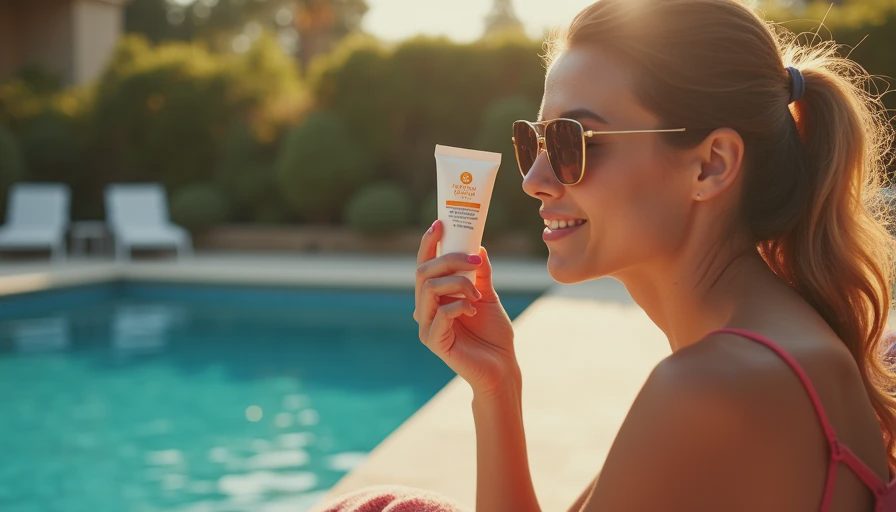
Start with texture rather than trendy ingredients. If your skin feels tight after cleansing, choose a cream or lotion with glycerin, ceramides, squalane, or hyaluronic acid. These ingredients support hydration without requiring a complicated evening routine. If your forehead becomes shiny by lunch, look for a lighter lotion or gel-cream and avoid formulas that feel oily before makeup even begins.
A moisturizer with spf should also match your foundation. Silicone-heavy makeup can separate over a very rich cream, while a fast-drying sunscreen may catch on dry patches. When shopping, test a small amount on your jaw or the side of your face, then wait several minutes. The product should settle without obvious rolling, tightness, or a greasy layer that transfers to your phone.
Tinted options can be efficient for light coverage, but shade range and undertone matter. A tinted sunscreen that looks orange around the hairline is not saving time. Brands such as EltaMD, CeraVe, La Roche-Posay, Supergoop!, and Neutrogena offer different textures and price points, but the best choice is the one you can apply generously and wear consistently.
My weekday wear test checklist
When I test a moisturizer with spf, I do not judge it after five minutes in a store mirror. I wear it through a regular day: cleansing before work, commuting, sitting under dry office air, checking my face at lunch, and seeing whether it still behaves after a late-afternoon meeting. Pretty is nice. Useful is better.
At the first check, I look for pilling around the nose and mouth. Pilling usually means the layers are not compatible, I used too much of a fast-setting product, or I rubbed instead of pressing. At lunch, I check whether the finish has become slick or whether my cheeks look uncomfortable and patchy. A little glow is fine. A reflective forehead that makes you look permanently overheated is a separate issue.
By the end of the day, I want makeup to fade normally rather than break into islands over my skin. If the product causes stinging, persistent redness, or a rash, stop using it. Fragrance is not automatically bad, but sensitive skin often does better with a fragrance-free formula and fewer potential irritants.
How to layer it without pilling
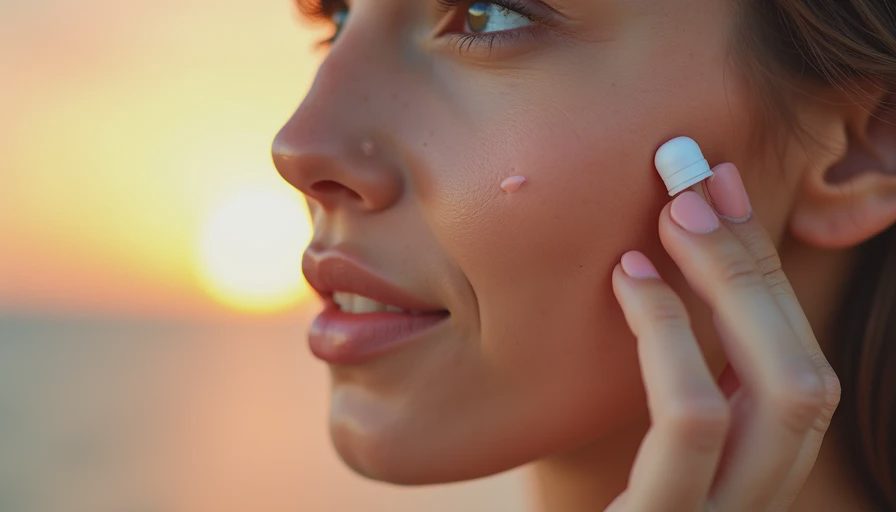
In the morning, cleanse or rinse your face, apply any lightweight treatment, and give it a moment to settle. Then smooth on your moisturizer with spf in an even layer over your face and neck. Do not aggressively massage it until the product starts disappearing; gentle strokes followed by light pressing usually create a smoother base.
Wait about a minute before applying primer or makeup. That short pause is enough to let the surface settle without turning your routine into a spa appointment. If your cheeks are very dry, apply a plain moisturizer only to those areas first, then use the sunscreen moisturizer over the full face. Avoid stacking several rich products unless you have tested the combination.
Foundation should be pressed or lightly blended rather than repeatedly scrubbed across the skin. A damp sponge can help with a thin layer of makeup, while a small amount of concealer may be all you need over a comfortable, even base. If a product still pills, change one variable at a time: reduce the amount of serum, switch primer, or allow more drying time.
The best routine for commuting and office days
A practical routine might look like this: cleanse, apply a simple hydrating serum if your skin needs it, use a moisturizer with spf, and finish with makeup or concealer. Add lip balm, brows, and mascara, and you can look polished in roughly ten minutes. On very dry winter mornings, use a richer night cream instead of piling extra layers under your daytime product.
Keep a separate sunscreen in your bag for outdoor plans. If you spend lunch walking outside, sit on a patio after work, or commute home in strong sun, a reapplication product can be more useful than assuming your morning layer will last all day. A sunscreen stick, compact cushion, or lightweight lotion can work for touch-ups, although coverage depends on applying enough product.
I also recommend keeping expectations realistic. A moisturizer with spf will not erase the need for shade, sunglasses, hats, or sensible reapplication. It simply makes the everyday baseline easier to maintain, which is valuable when your morning already includes emails, transit delays, and finding the other shoe.
Final take: simplify, but do not under-apply
The best moisturizer with spf is comfortable enough that you use the correct amount, protective enough for ordinary daily exposure, and compatible with the makeup you actually wear. Choose broad-spectrum SPF 30 or higher, match the texture to your skin, test it under foundation, and reserve dedicated sunscreen for longer outdoor time.
This is good skincare strategy, not a beauty achievement. If a product saves time without creating flakes or shine, keep it in the weekday rotation. If it only works in perfect lighting, it does not count. I’m not a morning person. I’m a morning-efficient person, and the right moisturizer with spf earns its place by making the routine shorter and the result more reliable.

No comments yet — grab the first one.