Setting spray is one of those makeup products that can be genuinely useful or completely unnecessary, depending on what you expect it to do. The right formula can help makeup look fresher through a train commute, dry office air, a long meeting, and dinner afterward. The wrong one leaves your face tight, shiny, sticky, or covered in tiny droplets that disturb the work you already did.
I’m not a morning person. I’m a morning-efficient person. That means I want a setting spray to earn its place in my routine, not simply look impressive on a vanity. Here is how to choose one, apply it without wasting product, and decide whether it solves your actual weekday makeup problem.
What setting spray actually does
A setting spray is a liquid product misted over finished makeup. Depending on the formula, it can reduce a powdery look, add a natural sheen, help pigments blend together, or improve the staying power of foundation, concealer, blush, and eyeshadow. It does not make makeup waterproof, transfer-proof, or immune to touching your face. Marketing departments enjoy ambitious language. Your forehead remains subject to weather.
There are three broad types. Fixing sprays usually contain film-forming ingredients designed to create a flexible layer over makeup. Hydrating sprays often include humectants such as glycerin and are better at taking down excess powder than extending wear. Glow sprays use emollients or fine reflective particles to add radiance, which can be lovely on dry skin and too much on an already shiny T-zone.
A setting spray can also help different textures look more cohesive. If your foundation is liquid, your blush is cream, and your finishing powder is matte, a light mist can soften the “several products sitting on my face” effect. That is useful. It is not magic, and it cannot rescue a foundation shade that is wrong in daylight.

How to choose a formula for your skin and schedule
Start with your biggest weekday complaint. If makeup disappears around lunch, look for a long-wear or fixing formula and check that alcohol is not so high on the ingredient list that your skin feels stripped. If makeup looks dry around your nose and mouth, choose a hydrating setting spray and use less powder underneath it. If your face becomes shiny during the commute, avoid very dewy formulas and focus on a natural-finish mist.
Brand positioning can help narrow the shelf. Urban Decay All Nighter is known for a strong wear-focused reputation. MAC Fix+ is often chosen for blending powder and adding a more skinlike finish, although the original formula is not the same type of heavy-duty fixing product. Charlotte Tilbury Airbrush Flawless Setting Spray targets polished, long-wearing makeup with a lighter feel. Milani Make It Last is a more budget-friendly option frequently considered for everyday wear.
Those names are starting points, not commandments. A $12 bottle that works with your foundation is a better purchase than a $38 bottle that makes your cheeks patchy. Read the spray mechanism, too. A fine, even mist matters more than a luxurious cap because large droplets can create spots and move concealer.
How to apply setting spray without ruining makeup
Finish your makeup first, including powder and lip color if you want the whole look to settle together. Hold the bottle about eight to ten inches from your face. Close your eyes, relax your mouth, and spray in an X followed by a T. Two to four passes are usually enough; your face should feel lightly misted, not wet.
Let it dry on its own for at least a minute. Do not immediately press a sponge into your cheeks unless you are intentionally melting makeup together. If you use setting spray before makeup, keep that step separate and use a product specifically labeled for priming or skin prep. Spraying randomly between every layer can make a routine longer without producing a better result.
For a commuter morning, I prefer one controlled application after a thin base, cream blush, mascara, and a small amount of powder. If you need extra coverage, let the first layer dry before adding more makeup. A quick second mist after touch-ups can work, but repeatedly soaking the same area is how you get texture instead of longevity.
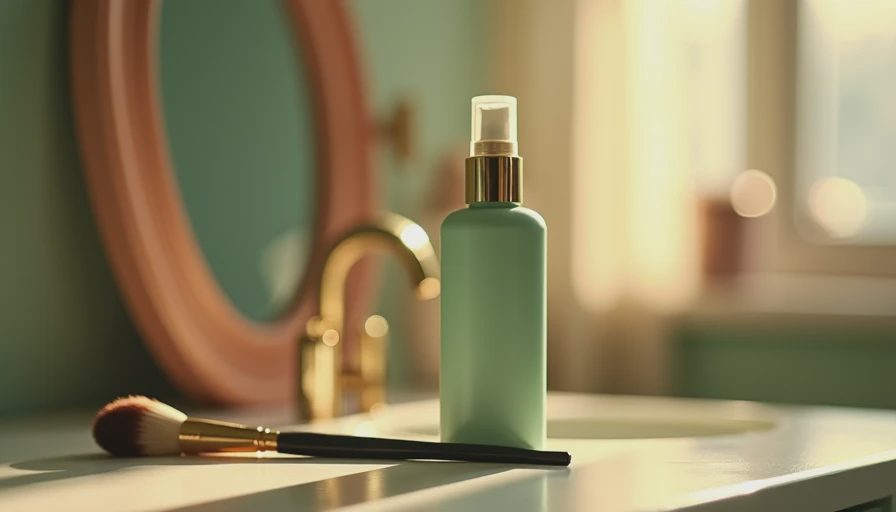
A realistic workday wear test
At 7:30 a.m., good setting spray should make fresh makeup look finished rather than visibly coated. During a commute, the useful result is not a flawless face; it is foundation that fades evenly instead of separating around the nose. By lunchtime, blush should still have some color, and powder should not have turned into a dry patch beneath the eyes.
At 4 p.m., check your face in ordinary office lighting, not only in a flattering bathroom mirror. A fixing formula might leave the cheeks intact while the forehead develops shine. Blot there instead of adding another full layer of powder. A hydrating formula might keep under-eye concealer comfortable but do less for an oily chin. That is a formula mismatch, not necessarily a bad product.
For after-work plans, use a tissue or blotting paper first, then tap a small amount of concealer where needed. Add cream blush with your fingertip and finish with a very light setting spray. This refreshes the face without stacking three layers of powder over eight hours of wear. Pretty is nice. Useful is better.
Common mistakes that waste product
The first mistake is spraying too close. A close-range blast creates wet spots and pushes makeup around. The second is using a glow formula to solve dryness caused by too much powder. Remove some powder or use a damp sponge before reaching for more liquid. The third is expecting setting spray to replace skincare. Dehydrated skin often needs moisturizer and sunscreen underneath makeup, not a wetter finish on top.
Another common problem is rubbing the face while the mist dries. Pressing a phone against your cheek, pulling a sweater over your head, or wiping sweat immediately can undo any film the product creates. If you have sensitive skin, patch-test a new formula and pay attention to fragrance, alcohol, and essential oils. “Long wear” is not worth stinging eyes or a rash.
Store the bottle upright and clean the nozzle when it starts spitting. A clogged sprayer gives you uneven droplets no matter how good the formula is. This small maintenance step can save a nearly full bottle from the trash.
Do you need setting spray?
You probably do if your makeup needs to last from an early commute through meetings and evening plans, or if powder makes your finished face look flat. It is especially helpful when you want a thin base to stay presentable without adding heavier coverage. You probably do not need it for a ten-minute grocery run, minimal tinted moisturizer, or a routine that already wears evenly.
My practical approach is to buy one setting spray only after identifying the problem. Choose a fixing mist for fading, a hydrating mist for powderiness, or a restrained natural-finish formula for general weekday use. Use a few sprays, let them dry, and judge the result in real lighting at lunchtime. If the bottle cannot improve your actual workday, it is another pretty object taking up space beside the sink.


No comments yet — grab the first one.