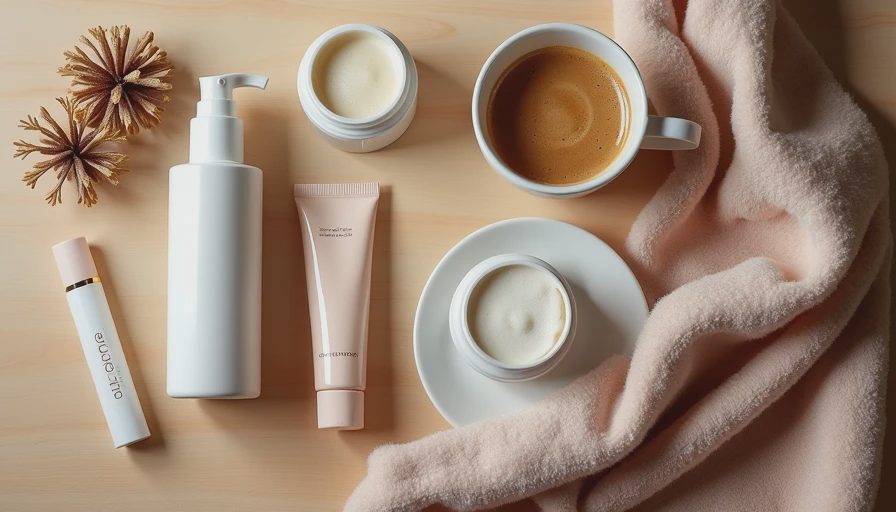
Chicago winter is not a suggestion. It's a personal attack.
The wind cuts through your face like it has something against you personally. The cold sucks the moisture out of your skin before you've even made it to the train platform. And then you get to the office, where the heat is cranked so high that your skin goes from frozen to desert-dry in about 45 minutes.
I've lived here long enough to know: winter skincare and makeup is a different game. What works in July will fail you in January. Here's my entire winter routine for keeping skin hydrated, makeup intact, and sanity preserved.
The Winter Skin Problem (and the Solution)

Winter does three things to your skin:
Strips moisture. Cold air holds less humidity. Your skin loses water faster.
Damages the barrier. Wind and cold weaken your skin's natural protective layer.
Makes makeup behave weirdly. Foundation that glides on in summer will cling to dry patches in winter.
The solution: Hydration, hydration, hydration. But not the kind that sits on top of your skin. The kind that sinks in and stays.
Here's the routine.
Step 1: Morning Prep — The Foundation of Winter Makeup
Cleanse gently: Use a cream or oil cleanser (not foaming — it strips too much). Splash with lukewarm water (hot water dries your skin out further).
Hydrating toner: A hydrating toner with glycerin or hyaluronic acid helps your skin absorb moisture. Pat it in with your hands. Don't use cotton pads — they waste product and create friction.
Serum: This is where you add the real hydration. I use a hyaluronic acid serum on damp skin (applying it to damp skin helps it bind water). Let it sink in for 60 seconds.
Moisturizer: Use something richer than your summer moisturizer. A cream or balm that has ceramides, squalane, or shea butter. Apply it while your skin is still slightly damp from the serum.
Sunscreen: Yes, even in winter. UV rays don't take a vacation. Use a moisturizing SPF that doesn't feel heavy.
The key: Wait 3–5 minutes before applying makeup. Your skincare needs time to absorb. If you rush it, your foundation will slide around.
Step 2: Priming for Winter
Switch to a hydrating primer. That mattifying primer you love in summer? Put it away. Winter needs something with grip and hydration.
I look for primers with:
Hyaluronic acid (for hydration)
Glycerin (for moisture retention)
Silicones (for smoothness)
Pro tip: Apply primer only where you need it — T-zone for shine control, cheeks for hydration. You don't need the same product everywhere.
Step 3: Foundation Application for Winter Skin

Liquid or cream foundation is your winter friend. Powders will cling to dry patches and look cakey. Cushion foundations are great if you have them, but I prefer a medium-coverage liquid.
Application trick: Mix a drop of face oil or a hydrating serum into your foundation before applying. This creates a custom hydrating formula that won't cling to dry patches.
Use a damp sponge. It adds a layer of moisture and helps your foundation blend more smoothly. I've tested wet vs. dry application, and wet is always better in winter.
Apply in thin layers. Build coverage gradually. If you apply too much at once, it'll sit on top of dry skin and look mask-like.
Step 4: Concealer Strategy
Under-eye: Use a hydrating concealer (not a matte one). Creamy formulas will sit better on winter skin. If you're using a thicker formula, warm it between your fingers before applying.
On blemishes: Use a thicker concealer, but apply it sparingly. Too much product will flake off as the day goes on.
Set with a light dusting of powder. Only where you need it — under eyes and on blemishes. Skip powder everywhere else. Winter skin doesn't need the same oil control as summer.
Step 5: The Winter Blush Hack
Cream blush is non-negotiable in winter. It melts into your skin instead of sitting on top of dry texture.
Apply it with your fingers (the warmth helps it blend) and use a little more than you think you need. Winter skin is paler and less colorful, so you'll need a slightly stronger blush to look healthy.
Double-duty: Apply the same cream blush on your lips and eyelids for a monochromatic, "I'm healthy and naturally flushed" look.
Step 6: Eyes and Lips in Winter
Eyeshadow: Cream or liquid formulas are your winter friends. Powders can look dry and patchy on winter skin. A shadow stick is your best bet — quick, hydrating, and easy to blend.
Mascara: Use a lengthening formula that doesn't flake. Dry winter air is a great way to get mascara flecks on your cheeks. If you use a tubing mascara, it'll come off in clumps instead of flakes, which is easier to manage.
Lips: Winter is brutal on lips. Use a hydrating lip balm underneath your lipstick, and top with a gloss if you're feeling fancy. Matte lipsticks will dry your lips out faster in winter.
Step 7: Setting It All for Winter
Skip setting powder on your cheeks. Just powder your T-zone and under your eyes. Your cheeks need all the moisture they can get.
Use a hydrating setting spray. Not a matte one. Look for ingredients like glycerin or aloe that add a layer of moisture.
Pro tip: Spray the setting spray on your damp sponge and press it into your skin. This adds an extra layer of hydration.
The Winter Touch-Up Kit
Keep these in your desk drawer (or bag):
Blotting papers (for T-zone shine that happens despite everything)
A mini lip balm (I have one everywhere)
A hydrating mist (a quick spritz at lunch makes a difference)
Cream blush (touch up if needed)
Pressed powder (just for T-zone, applied sparingly)
What to Avoid in Winter
Matte foundation — it'll look dry and cakey
Heavy powder — skip it on the cheeks entirely
Alcohol-based toners — they strip moisture
Hot water on your face — it dries your skin out more
Over-exfoliating — your skin is already compromised by the cold
The Winter Routine Recap
Step | Product Type | Winter Switcheroo |
|---|---|---|
Cleanse | Cleanser | Cream or oil, not foaming |
Prep | Toner | Hydrating, not astringent |
Hydrate | Serum | Hyaluronic acid on damp skin |
Moisturize | Moisturizer | Richer cream with ceramides |
Prime | Primer | Hydrating, not mattifying |
Base | Foundation | Liquid with a drop of oil |
Conceal | Concealer | Hydrating, not matte |
Set | Powder | T-zone only, no cheeks |
Finish | Setting spray | Hydrating, not mattifying |
Bottom Line
Winter makeup is about hydration first, coverage second. If your skin is hydrated, your makeup will look better. If your skin is dry, even the best foundation will look bad.
Spend your money on skincare before makeup. A good moisturizer is more important than any foundation you can buy.
And if you're struggling, remember: it's Chicago. Everyone looks a little rough in February. You're doing fine.
— Maya, Chicago


No comments yet — grab the first one.