I remember the first time a makeup artist used the word "grip" in front of me.
I was 22, working behind the Sephora counter, and a visiting brand artist was explaining why one primer was better than another. She said, "This one has grip. The other one doesn't. That's why your foundation slides off by lunch."
I nodded like I understood. I didn't.
Eight years later, I get it. And once you understand grip, you'll never buy a primer, foundation, or setting spray the same way again.
What "Grip" Actually Means
Grip is the ability of a product to adhere to your skin and hold onto everything applied on top of it.
Think of it like this: your skin is a surface. Products need to stick to that surface. If they don't, they move around, separate, or disappear entirely.
Grip comes from three places:
The texture of the product — certain formulas physically hold onto skin better
The ingredients — polymers, resins, and certain film-formers create a clinging effect
The application technique — how you apply affects how well it grips
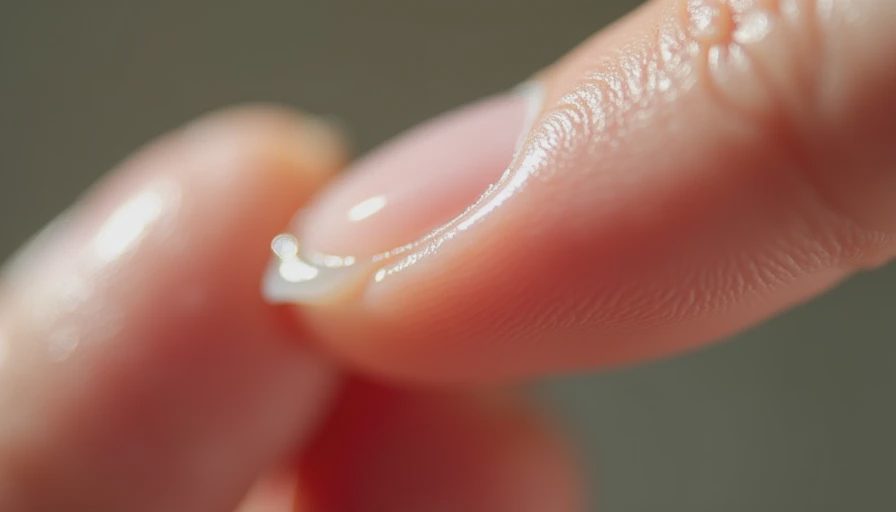
A product with good grip feels slightly tacky when you touch it. Not sticky in a bad way, but like your finger doesn't slide across it easily. That tackiness is what holds your foundation in place.
Why Oily Skin Has a Grip Problem
Here's the issue with combination and oily skin: natural oils interfere with grip.
Your skin produces oil throughout the day. That oil breaks down the adhesive properties of your makeup, causing it to separate, slide, or disappear. The more oil you produce, the faster the grip fails.
This is why:
Foundation separates on your nose
Concealer creases under your eyes
Eyeshadow fades by lunch
Blush disappears entirely
It's not that the products are bad. It's that your skin's natural oil is actively working against the product's ability to grip.
How to Build Grip Into Your Routine
This is the technique I've developed over years of testing. It's not complicated, but it's specific.
Step 1: Prep Your Skin Properly
Grip doesn't work on a greasy surface.
Start with a clean, dry face (no lingering oil or residue)
Apply a lightweight moisturizer that absorbs quickly (not one that sits on top of your skin)
Wait at least 60 seconds for it to fully absorb
The key: Your skin should feel slightly dry to the touch before you apply anything else. Not tight. Just not slippery.
Step 2: Choose a Primer with Grip
Look for these ingredients in your primer:
Dimethicone or other silicones (they create a smooth surface with grip)
PVP or VP copolymers (film-formers that grip foundation)
Niacinamide (it helps regulate oil production over time, reducing the breakdown of grip)
Avoid: Primers that are water-based or gel-based. They don't grip as well on combination skin.
Step 3: Apply Foundation with Patting, Not Rubbing
This is the most common mistake. Rubbing disrupts the grip.
Apply foundation in small dots across your face
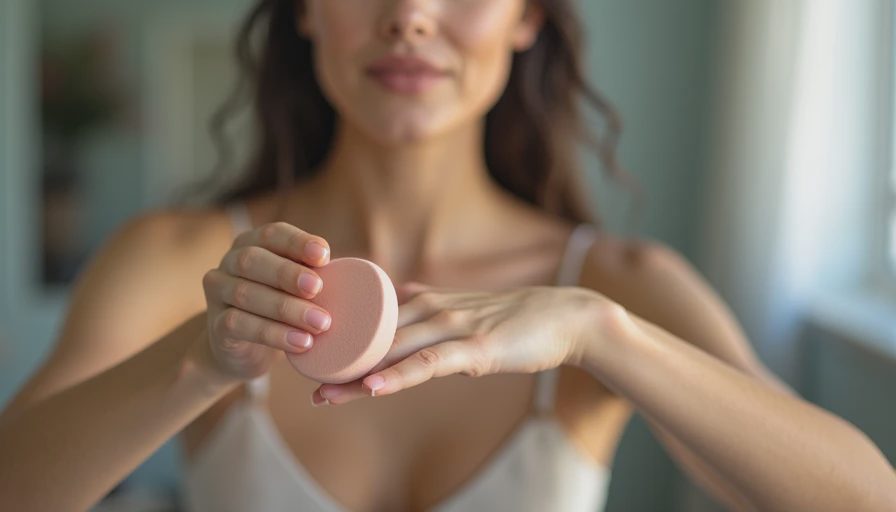
Pat it in with a damp sponge or your fingers
Don't rub or sweep. Pat, press, and roll.
This presses the foundation into the primer instead of disturbing it.
Step 4: Set with a Light Powder
Powder locks the grip in place.
Use a translucent powder on your T-zone only
Press it in with a puff, don't sweep it on with a brush
Sweeping powder disrupts the grip. Pressing it in reinforces it.
Step 5: Lock with Setting Spray
Setting spray creates a final film over everything.
Choose a setting spray that has film-forming ingredients (look for VP/VA copolymer, PVP, or acrylates)
Apply in a T and X motion from about 8 inches away
Let it dry completely before you touch your face
Ingredients That Create Grip
If you want to understand what's actually gripping your makeup, here's what to look for on an ingredient list:
Ingredient | What It Does |
|---|---|
Dimethicone | Creates a smooth, adhesive surface on the skin |
Trimethylsiloxysilicate | A film-former that creates a long-lasting bond |
VP/VA Copolymer | Creates a flexible film that holds makeup in place |
PVP | A polymer that creates grip and helps products adhere |
Acrylates | Film-forming ingredients found in many setting sprays |
These are not scary chemicals. They're functional ingredients that make your makeup stay on your face. Clean beauty brands have started using alternatives, but the grip effect is the same.
What Grip Can't Fix
Grip is powerful, but it's not magic. It can't fix:
Wrong undertones (grip won't make a wrong foundation shade look right)
Bad texture (grip can't smooth over flaky skin or patchy foundation)
Over-application (grip won't save you if you've applied too much product)
Grip works best when you've already got a solid routine and you just need something to lock it in place.
My Personal Grip Routine
Here's what I do on a normal Chicago workday:
Cleanse, moisturize, wait 60 seconds
Apply a silicone-based primer only to my T-zone (this is where I need grip most)
Pat in my foundation with a damp sponge
Press translucent powder into my T-zone
Spray setting spray with film-forming ingredients
Total time: 12 minutes
Result: Makeup that lasts through a commute, a full workday, and an after-work dinner with minimal touch-ups. Grip is doing the heavy lifting.
Bottom Line
Grip is not a marketing gimmick. It's a mechanical property of certain ingredients and techniques. Understanding it will help you choose better products, apply them more effectively, and finally understand why your makeup behaves differently on different days.
If you have combination or oily skin, grip is your best friend. It's what keeps your makeup in place when everything else wants it to slide off.
— Maya, Chicago
No comments yet — grab the first one.