If you have ever stood in front of a skincare shelf wondering what toner does and whether you need one, you are in good company. The short answer is that toner is a lightweight liquid used after cleansing and before serums or moisturizer. Depending on the formula, it can add hydration, gently exfoliate, calm irritation, or remove traces of cleanser and makeup. It is useful, but it is not a magical second cleanser or a required step for every face.
I think of toner as a supporting player. It can make a routine feel better and help certain ingredients perform more comfortably, but cleanser, moisturizer, and sunscreen still do the heavy lifting. If your morning routine already has three steps before the train arrives, you do not need to add a fourth just because a bottle looks expensive.
What toner does after cleansing
The best answer to what toner does depends on its ingredients. A hydrating toner usually contains humectants such as glycerin, hyaluronic acid, aloe, or panthenol. These ingredients attract water to the skin’s surface and can make dry or tight skin feel more comfortable. Applied to slightly damp skin, this kind of product can provide a soft, fresh layer before moisturizer.
An exfoliating toner uses acids such as lactic acid, mandelic acid, glycolic acid, or salicylic acid. These formulas help loosen dead skin cells or clear oil from pores. Lactic and mandelic acids are often friendlier for beginners, while salicylic acid is especially useful for oily skin and clogged pores. Stronger formulas can improve texture over time, but using them every morning and night is a fast route to stinging, flaking, and makeup that sits badly.
A soothing toner may include ingredients such as centella asiatica, oat, green tea, or allantoin. It can be a smart choice when your skin feels stressed from cold weather, indoor heat, travel, or too many active products. The label matters more than the word toner on the front.
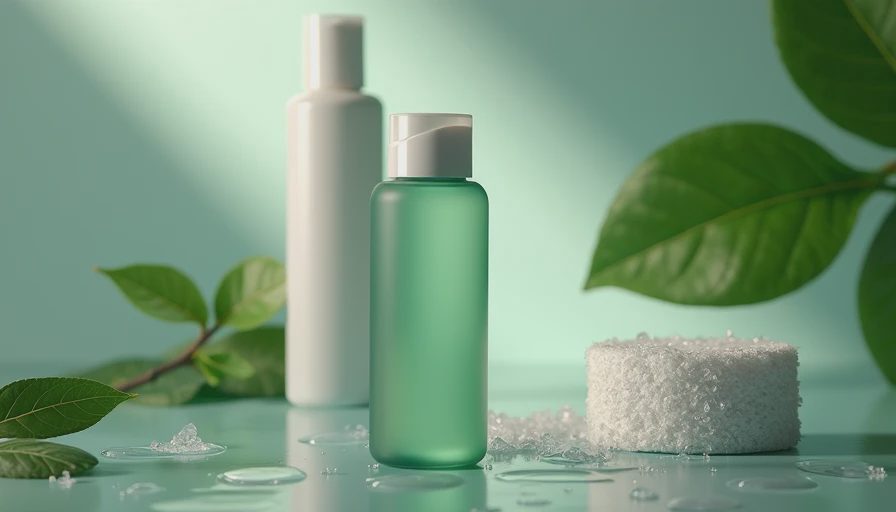
What toner does for different skin types
For dry skin, what toner does should mostly mean adding water and comfort rather than removing more oil. Look for a milky or essence-like texture with glycerin, ceramides, beta-glucan, or panthenol. Skip formulas dominated by alcohol or strong fragrance if your cheeks already feel tight after washing. A $12 to $25 hydrating toner can be enough; you do not need a luxury bottle to get a useful layer of moisture.
For oily or acne-prone skin, a light hydrating toner can still help, especially if cleanser leaves the face feeling stripped. If clogged pores are your main issue, a salicylic acid toner used two or three nights a week may be more useful. Do not combine it immediately with a retinoid, benzoyl peroxide, or several other exfoliants unless you already know your skin tolerates that routine.
For combination skin, apply products strategically. Use a gentle hydrating formula across the face, then reserve an exfoliating product for the nose, chin, or areas that actually need it. Normal skin has the easiest assignment: choose a simple formula you enjoy using, or skip toner entirely. Pretty is nice. Useful is better.
Sensitive skin needs the most boring option, which is usually good news for your budget. Choose fragrance-free products with short ingredient lists, and patch test before putting a new acid on your entire face. If the product burns rather than briefly tingles, rinse it off. Tingling is not proof that skincare is working.
How to use toner in a weekday routine
What toner does best in a rushed routine is create a comfortable bridge between cleansing and moisturizing. At night, wash your face first. Pour a small amount into clean hands and press it over your skin, or use a soft cotton pad if the product is specifically intended for wiping away residue. Follow with treatment products, moisturizer, and lip balm.
In the morning, toner is optional. If your skin is dry or your cleanser feels gentle, apply it after washing and before moisturizer. If you are running late, leave it out and use sunscreen. No one at the 8:30 meeting will know, and your skin will not file a complaint.
A practical amount is usually a few drops or enough to lightly cover the face without dripping down your neck. Wait only long enough for the surface to feel comfortable before applying the next step. You do not need to let each product dry completely, and you do not need seven layers to get a polished result.
For exfoliating formulas, start once or twice weekly at night. Avoid the eye area, freshly shaved skin, and broken skin. Increase frequency only if your skin remains comfortable for several weeks. Sunscreen is especially important when your routine includes exfoliating acids because irritation and sun exposure are an unhelpful combination.

Common toner mistakes that waste money
One mistake is buying a product because the package promises smaller pores. Toner cannot permanently change pore size. It can temporarily reduce the look of oiliness or improve the appearance of texture, but genetics and sebum production still run the department.
Another mistake is using a harsh formula to chase a squeaky-clean feeling. That tight sensation often means the skin barrier is unhappy, not impressively clean. If you are layering cleanser, toner, retinol, vitamin C, and an acid while also scrubbing with a grainy exfoliant, the issue is probably not a lack of effort.
People also confuse toner with micellar water. Micellar water can lift makeup and surface oils, although it should generally be followed by cleansing if you are using it as a makeup remover. Toner is usually a leave-on skincare step. It is not designed to replace a proper cleanser, and it should not be expected to remove a full day of foundation.
Finally, do not judge a toner after one use. Hydrating products can feel immediately pleasant, but improvements in texture or congestion take consistent use. If a product causes persistent redness, itching, or burning, stop using it rather than trying to power through.
How to choose a toner without overthinking it
Start with the problem you actually want to solve. If your skin feels tight, choose hydration. If it looks dull and rough, consider a gentle exfoliant. If it is reactive, choose a soothing, fragrance-free formula. If you cannot name a problem, you probably do not need a specialized toner.
Read the first several ingredients instead of trusting terms like glow, pore refining, or balancing. Glycerin and panthenol point toward hydration. Salicylic, lactic, glycolic, or mandelic acid signal exfoliation. Fragrance near the top of the list can be a warning for easily irritated skin, although individual tolerance still matters.
Price is not a reliable shortcut. Brands such as CeraVe, Naturium, Good Molecules, Paula’s Choice, and The Ordinary offer different toner-style products across several price ranges, but the right choice is the one that fits your skin and routine. A $15 product used consistently beats a $48 bottle abandoned after three irritating applications.
What toner does is simple enough: it gives your routine a targeted liquid step between cleansing and moisturizing. Choose one for a clear reason, introduce it slowly, and let the rest of your skincare do its job. I’m not a morning person. I’m a morning-efficient person, and that means skipping anything that does not earn its place.


No comments yet — grab the first one.