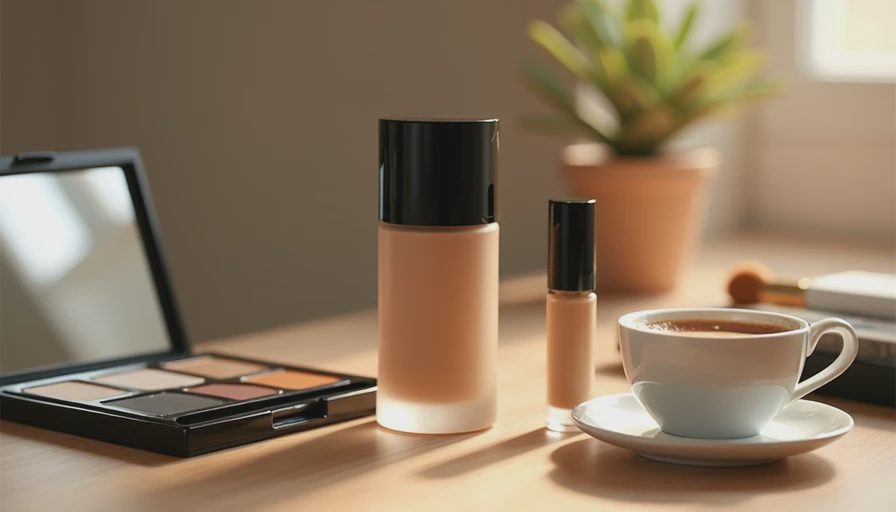
You know that moment when you check the mirror at 1 P.M. and your foundation is suddenly a completely different color than when you put it on this morning?
That's oxidation.
And it's not your imagination. It's chemistry. And once you understand how it works, you can stop wasting money on foundations that turn orange by noon.
What Oxidation Actually Means
Here's the simple version: foundation oxidizes when the pigments react with oxygen, oil, or your skin's pH.
The ingredients that give foundation its color are usually iron oxides — the same stuff that gives rust its reddish-brown color. When those pigments are exposed to air, the oils on your skin, or the acidity of your skin, the chemical structure changes. And the color shifts.
Usually, it shifts orange or darker.
Here's the thing: Some oxidation is normal. A tiny shift is almost inevitable. But a dramatic color change means your foundation doesn't match your skin's chemistry, and you need a different formula.
Why It Happens Faster for Some People
Your skin's pH matters. More acidic skin (lower pH) can cause faster oxidation. So can more alkaline skin (higher pH).
Your skin's oil production matters. Oily skin causes oxidation more quickly, because your natural oils break down the pigments differently. This is why combination and oily skin types experience this more often.
The foundation's formula matters. Some foundations are formulated with ingredients that resist oxidation better than others. Cheap formulas tend to oxidize more quickly. But expensive ones can oxidize too if they're formulated cheaply.
The primer matters. Certain primers speed up oxidation. Others slow it down. It's a chemical interaction you're not going to easily predict without trial and error.
How to Spot a Foundation That's Likely to Oxidize
Before you buy, look at the ingredient list.
Iron oxides are near the top. This is the pigment that changes color. If it's a top ingredient, there's more of it, so oxidation will be more visible.
The formula is oil-based. Oils break down faster than silicone-based or water-based formulas on combination skin.
There's no stabilizer ingredient. Stabilizers like silica, dimethicone, or certain antioxidants slow down oxidation. Look for them in the ingredient list.
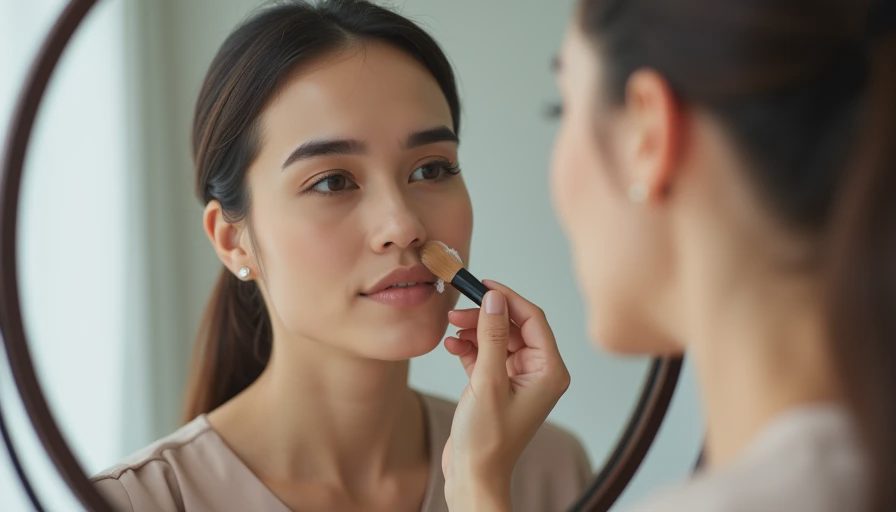
At the store, test it on your face, not your hand.
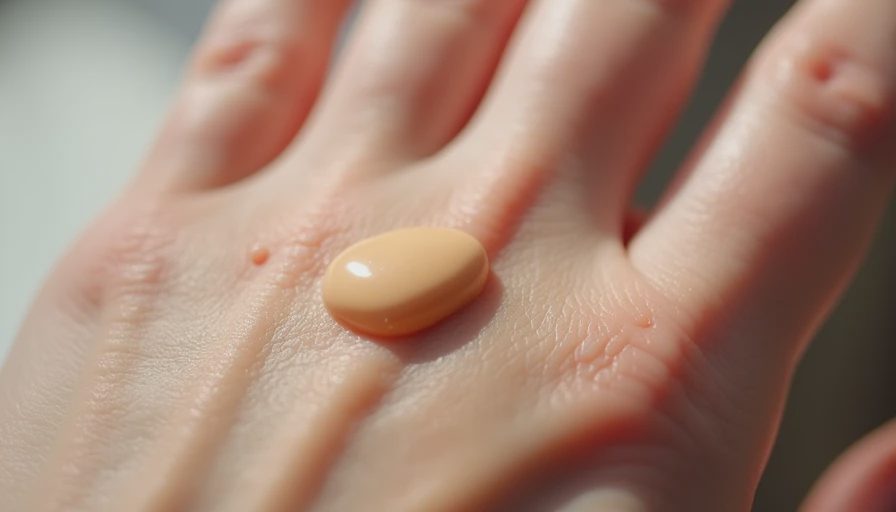
Hand skin is not face skin. The pH is different. The oil production is different. You'll get a false reading if you swatch on your wrist or hand and use that to judge color shift.
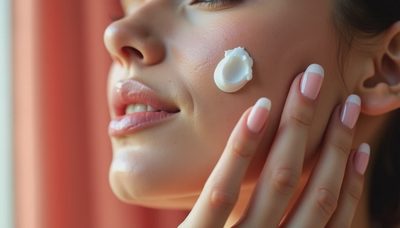
Wait 15 minutes before deciding. This is the most important rule. Apply a stripe on your jawline, walk around the store (or your bathroom), and come back. The foundation will have already started oxidizing. What you see then is what you'll get.
The Foundations That Oxidize the Worst (Based on My Testing)
I'm not naming names because formulas change frequently, but here are the red flags:
Red flag #1: The shade on the box doesn't match the color in the bottle at all. If the bottle color is visibly different from the advertised shade, that's a sign of instability.
Red flag #2: The texture is very thin and liquidy. Thin foundations often have less pigment binding, meaning the color shifts more easily. Think about it: thicker formulas have more structure holding the pigments in place.
Red flag #3: It's a dewy or luminous formula. These are more likely to contain oils that help break down the pigments over time. Matte formulas typically resist oxidation better because they're less oil-based.
Red flag #4: The shade claims to adapt to your skin tone. These are usually just foundations with a built-in oxidation effect designed to make you think the product is adapting. It's not. It's changing color.
How to Make Your Foundation Stay True
If you already have a foundation that oxidizes on you, here's what you can try:
Apply a primer underneath. A silicone-based primer creates a barrier between your skin's oils and the foundation, slowing down the oxidation reaction.
Powder before you apply foundation. Dust a translucent powder on your T-zone before foundation. It absorbs your natural oil and stops it from breaking down the pigments early.
Switch to a foundation with SPF. Zinc oxide and titanium dioxide are physical sunscreens that also act as stabilizers. They slow down the chemical reaction of oxidation.
Store your foundation properly. Heat speeds up oxidation. If you keep your foundation in a hot bathroom or near a window, it'll oxidize faster. Store it in a cool, dark place. (Yes, your medicine cabinet is fine.)
Buy a shade lighter than you think you need. If you know your skin oxidizes foundation, buy one shade lighter, and the shift will land on your actual skin tone. It sounds counterintuitive, but it works.
The One Rule I Use Every Time
I don't buy foundation I haven't tested on my face.
That's it. That's the rule.
I'll test it in store, leave the store, check the mirror 15 minutes later, and decide. If I can't do that, I buy from a store with a generous return policy and test it over a full day.
Never trust the swatch on your hand. Never trust the lighting in the store. Always test on your face. Always wait 15 minutes.
Bottom Line
Oxidation happens. But it doesn't have to ruin your makeup.
Avoid oil-based foundations on combination skin
Test on your face, not your hand, and wait 15 minutes
Use a silicone-based primer to slow the reaction
Buy from a store with a return policy in case it doesn't work out
And if you're tired of looking like an Oompa Loompa by lunch, skip the foundations that are known for oxidizing. It's not your face. It's the formula.
— Maya, Chicago

No comments yet — grab the first one.