Here's something nobody tells you about working in an office: the thermostat is not your friend.
One building is a freezer. The next is a sauna. And Chicago in February? The heat is cranked so high you'll be sweating through your blazer before your first coffee.
I've tested a lot of primers. Some of them worked. Most of them didn't. A few were genuinely better than doing nothing.
So here's what I learned about primers for combination skin when your commute and your office are actively working against you.
Why Primer Matters for Combination Skin
Here's the problem with combination skin and commutes:
Your T-zone gets oily. Forehead, nose, chin. By 10 A.M., you're looking at shine that's not cute.
Your cheeks stay normal to dry. They don't need the same product your T-zone needs.
Your foundation separates. The oil breaks it down. The dry areas let it settle into fine lines.
A good primer solves two problems at once:
It controls oil where you need it
It smooths texture where you need it
The wrong primer? Makes everything worse. Too mattifying and your cheeks look dry and flaky. Too hydrating and your forehead is a grease slick by lunch.

What I Look For in a Primer
Before we get to specific recommendations, here's my criteria:
For combination skin specifically:
Silicone-based (the smooth, velvety feel) is my preference. It fills in pores and texture, controls oil, and doesn't leave a sticky finish.
Oil-free formula. This is non-negotiable. If it has oil in the first five ingredients, it's going to break down my makeup faster.
No fragrance. Fragrance doesn't help your makeup last longer. It's just there to make you feel fancy.
Blurring effect. Not "poreless" (that's a fantasy). Just a subtle softening that makes your skin look smoother.
The Primers I've Actually Tested
I spent two weeks testing four different primers, using the same foundation and setting powder each time, to see what actually held up through a Chicago commute, a walk, and an office with questionable HVAC.
Here's what I found.
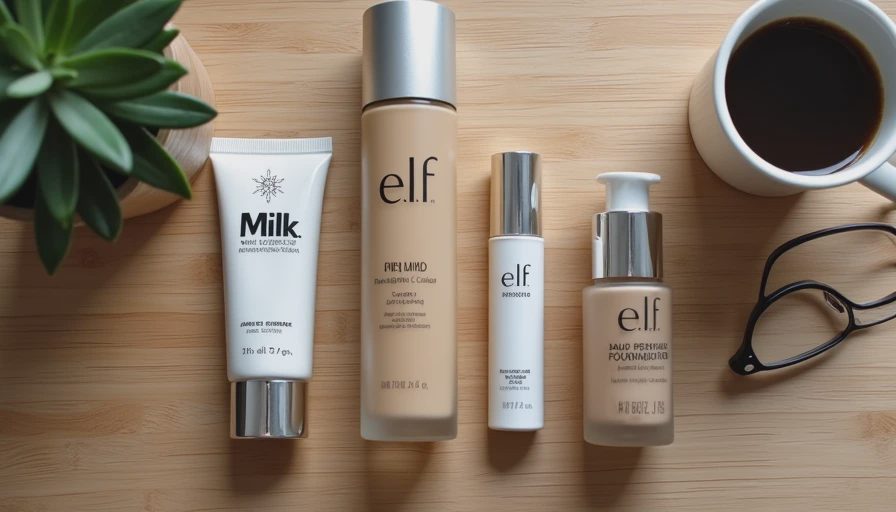
The Clear Winner: Milk Makeup Hydro Grip Primer
Why it worked: The texture is sticky, and I mean that as a compliment. It grabbed my foundation and held it in place like a real friend. My T-zone stayed less shiny than usual. My cheeks didn't feel tight or dry.
The commute test: Survived the L, the walk, and the overheated office. By 4 P.M., my makeup was still mostly intact. That's a win.
The downside: It's expensive. $38 for a primer is real money.
Verdict: Best overall performer. If you have the budget, this is the one.
The Budget Option: e.l.f. Power Grip Primer
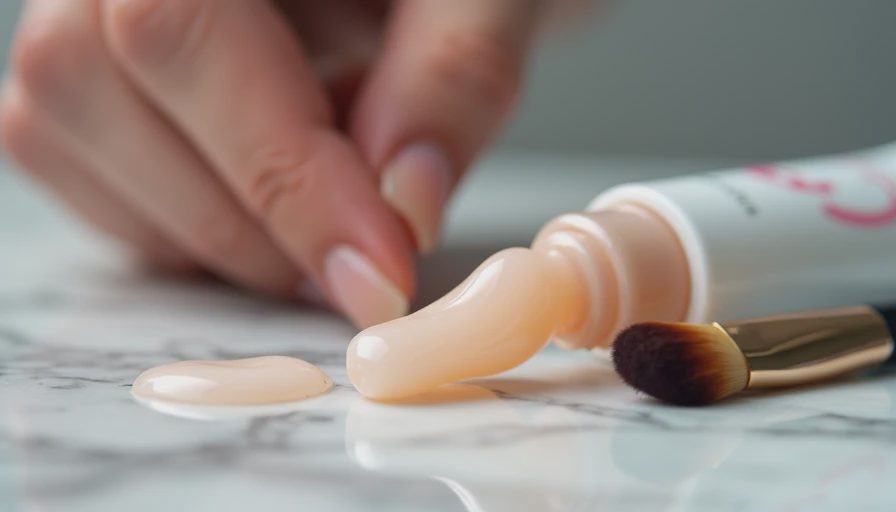
Why it worked: It's a dupe for the Milk. Similar gel texture, similar grip effect, similar ingredients. The difference? It's $10.
The commute test: Actually held up just as well as the Milk. My T-zone was a bit shinier by late afternoon, but honestly? I had to look closely to tell.
The downside: The packaging is less nice, and the pump isn't as consistent. But for $10, I'm not complaining.
Verdict: Best value. If you're on a budget, skip the Milk and buy this.
The Surprise Standout: Fenty Beauty Pro Filt'r Instant Retouch Primer
Why it worked: It's mattifying without being drying. I was skeptical because a mattifying primer can make combination skin look flat and weird. This one didn't.
The commute test: My T-zone was genuinely shine-free until 3 P.M. That's impressive for Chicago winter heat.
The downside: The texture is thicker than I like. It takes an extra 30 seconds to rub it all in, and if you're in a rush, that matters.
Verdict: Best for oil-control days. Use it when you know you're going to be in a hot office or have a long commute.
The Disappointment: Smashbox Photo Finish Smooth & Blur Primer
Why it didn't work: Everyone loves this primer. I wanted to love it. The blurring effect was incredible for the first hour, but by noon, everything had separated on my T-zone. The combination of oil and this primer made my foundation slide off in patches. Not cute.
The commute test: Failed. By the time I got to the office, the foundation on my nose was visibly breaking down.
The downside: It's expensive ($39) and didn't perform for combination skin in real conditions.
Verdict: Good for other skin types? Maybe. Good for combination skin in a Chicago commute? No.
My Rule for Applying Primer on Combination Skin
This is the technique that makes a difference:
Apply primer only where you need it. For me, that's T-zone and around my nose. Not all over.
Wait 60 seconds before applying foundation. Primer needs to set.
Use a damp sponge for foundation. It blends better into a primed T-zone without disturbing the product underneath.
Do not rub. Pat and press. Rubbing breaks the primer's grip.
If you follow these steps, even the mid-tier primer will outperform an expensive one applied wrong.
The Bottom Line on Primers
If you're combination/oily and you work a regular office job:
Invest in a good primer. It's the difference between makeup that lasts and makeup that disappears.
Apply it selectively. You don't need it everywhere. Just where you get oily or have visible pores.
Budget options work. The e.l.f. Power Grip is genuinely close to the Milk formula. I have both and reach for the e.l.f. about as often.
What I use on a normal Tuesday: Milk Hydro Grip on my T-zone, nothing on my cheeks. That's the combination skin special.
One Final Thought
The best primer in the world won't fix a bad foundation or a rushed application. But a good primer buys you a few more hours of presentable skin, and sometimes that's all you need.
If you have combination skin and you work in an office, primer is not optional. It's maintenance.
— Maya, Chicago



No comments yet — grab the first one.