Natural sunscreen sounds like the perfect beauty shortcut: skin protection, a cleaner ingredient list, and one less complicated step before the train. In practice, the best formula is the one you will apply generously every morning, reapply when needed, and tolerate under makeup. I’m not a morning person. I’m a morning-efficient person, so I look for products that settle quickly, do not pill over moisturizer, and will not turn my face into a shiny office mirror by 10 a.m.
What natural sunscreen actually means
The word natural is not a precise sunscreen category. It usually refers to mineral sunscreen, which uses zinc oxide, titanium dioxide, or both to help protect skin from ultraviolet radiation. Mineral formulas sit on the skin and scatter, reflect, and absorb UV light. Chemical sunscreens use organic filters that absorb UV radiation and convert it into heat. Both types can provide effective broad-spectrum protection when formulated and used correctly.
That distinction matters more than the front-label language. Look for broad-spectrum protection and SPF 30 or higher, then read the active ingredient panel. Zinc oxide is often the main filter in a natural sunscreen, while titanium dioxide can contribute additional UVB and short UVA protection. A product can have a botanical scent, a green tube, and an appealing ingredient story without providing better protection than a straightforward drugstore formula.
My practical rule is simple: treat natural sunscreen as a preference, not a guarantee. If your skin stings with a fragranced lotion, choose a fragrance-free option. If you dislike a white cast, look for a tinted mineral formula. Pretty packaging is nice. Useful texture is better.

How to choose a formula you will actually wear
Start with your weekday circumstances. A dry office and a heated winter commute call for a lotion with moisturizing ingredients such as glycerin, squalane, or ceramides. If your T-zone becomes glossy before lunch, choose a fluid or lightweight cream and keep richer facial oils for nighttime. For outdoor lunches, walking commutes, or weekend sports, prioritize water resistance when available, while remembering that water-resistant does not mean waterproof.
Tint is especially helpful for mineral formulas. Untinted zinc oxide can leave a pale film, particularly when applied at the amount needed for reliable coverage. A sheer tint can soften that cast and make the product look more like a primer. Do not assume one shade will suit every complexion, though. Test along the jawline in daylight, not beneath flattering store lighting.
A stick is convenient for the bridge of the nose, cheekbones, and travel touch-ups, but it is easy to under-apply. A pump or squeeze tube makes it simpler to measure enough for the face and neck. If you wear sunscreen every morning, a $12 to $20 option that feels comfortable can be a smarter purchase than a $48 product that stays untouched in a drawer.
How much to apply without making a mess
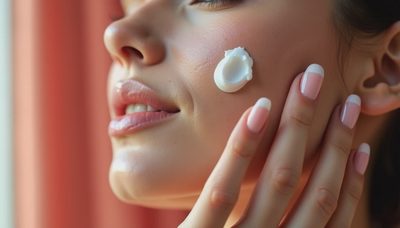
Most adults need about two finger lengths of sunscreen for the face and neck, though the exact amount depends on the product and the size of your fingers. Apply it in two thin layers instead of one heavy stripe. Dot the first layer across the forehead, cheeks, nose, chin, ears, and neck, then smooth it outward. Wait briefly before adding the second layer, especially if the formula is creamy or tinted.
Apply after moisturizer has settled but before foundation or concealer. Give the sunscreen roughly five minutes to form an even film, then press a tissue lightly over areas that feel slick. Do not mix sunscreen into foundation or moisturizer; dilution can reduce the amount of protection on your skin. If you are outside for an extended period, sweating, or wiping your face, reapplication matters more than finding a supposedly perfect first layer.
For a rushed morning, use a simple order: cleanse or rinse, moisturize only where needed, apply sunscreen, get dressed, then do makeup. That short pause gives each layer time to settle while you find your keys.
Making natural sunscreen cooperate with makeup
Pilling usually comes from too many layers, too much rubbing, or formulas that do not agree. A thick serum underneath a silicone-heavy primer can create little rolls even when both products work well alone. Simplify the base before blaming the sunscreen. Try applying less moisturizer, patting instead of massaging, and allowing each layer to dry.
A natural sunscreen with a satin finish often pairs better with complexion makeup than an extremely matte formula. Matte mineral products can grab onto dry patches around the nose and mouth. On the other hand, very dewy formulas can make foundation slide during a long meeting. I prefer a comfortable lotion followed by a small amount of concealer and translucent powder through the center of the face.
Tinted mineral products can replace a separate primer on low-effort days. Coverage is usually light, so they will not hide every mark, but they can even out redness enough for a polished desk-to-dinner face. If the tint is too warm or too pale, use it as a base and adjust with your usual complexion product rather than forcing the match.

A realistic wear test from commute to dinner
Judge the product at four checkpoints: immediately after application, after the commute, at lunch, and before evening plans. At the first checkpoint, check for stinging, strong fragrance, visible streaks, and whether the formula has settled around your eyebrows. During the commute, notice how it behaves with a scarf, mask, sunglasses, or helmet straps. Friction can remove product from the nose and cheek area.
At lunch, look for shine rather than trying to eliminate every trace of it. Blotting papers can remove surface oil without stripping the entire layer. Before dinner, inspect the hairline, sides of the nose, and upper lip. These areas often show separation first. If your face feels tight or flaky, the formula may be too matte for your moisturizer combination. If it feels greasy and your makeup has disappeared, a lighter base or strategic powder may solve the problem.
A natural sunscreen passes my weekday test when I stop thinking about it. That is more meaningful than a beautiful swatch or a ten-minute bathroom mirror impression. If it leaves a cast, pills, or makes you avoid the recommended amount, it is not the right product for you, regardless of how attractive the ingredient list sounds.
The five-minute routine I would repeat
In the morning, rinse or cleanse, then apply a modest amount of moisturizer to dry areas. Use two thin layers of natural sunscreen over the face, ears, and neck. While it settles, brush your hair or pack lunch. Follow with concealer, cream blush, mascara, and a tinted lip product. That routine takes about five minutes once the products are familiar.
Keep a separate touch-up product in your bag for long outdoor days. A powder can reduce shine, but it should not be your only protection if you are relying on it for substantial coverage. A compact lotion, stick, or small tube is more useful for the nose, cheekbones, and exposed neck. Reapply after heavy sweating, swimming, or wiping your face with a towel.
Natural sunscreen is not automatically better, gentler, or more effective. It is simply one route to daily broad-spectrum protection, and mineral filters can be a good fit for people who prefer them. Choose the texture you will use, apply enough, and test it under the lighting and schedule that actually define your life. If it works on a Chicago commute, beneath office makeup, and before an unplanned dinner, it has earned a place in the routine.


No comments yet — grab the first one.