Retinol before and after photos can make the ingredient look like a time machine. One picture shows uneven texture, fine lines, or breakouts; the next shows remarkably smooth skin and perfect lighting. Real life is less dramatic, but retinol can still be one of the most useful additions to a practical skincare routine. The key is knowing what it can improve, how long results usually take, and how to use it without making your face angry before Monday’s first meeting.
What retinol actually does for your skin
Retinol is a vitamin A derivative that supports faster skin cell turnover and helps encourage collagen production over time. In plain English, it can make rough texture feel more refined, soften the appearance of fine lines, and help keep clogged pores from becoming a recurring problem. It does not erase every mark or transform your face overnight. Pretty is nice. Useful is better.
The first few weeks are usually about adjustment, not visible perfection. You might notice dryness, tightness, mild flaking, or a few more blemishes as your skin gets used to the ingredient. That reaction is not a required rite of passage, though. Severe burning, swelling, cracking, or persistent redness means your routine needs to pause and be reassessed.
For a working woman trying to get out the door quickly, the best retinol routine is boring in the most flattering way. Cleanse gently, let your skin dry, use a small amount of product, moisturize, and wear sunscreen the next morning. You do not need seven serums, a facial roller, and a bathroom shelf that resembles a small retail counter.
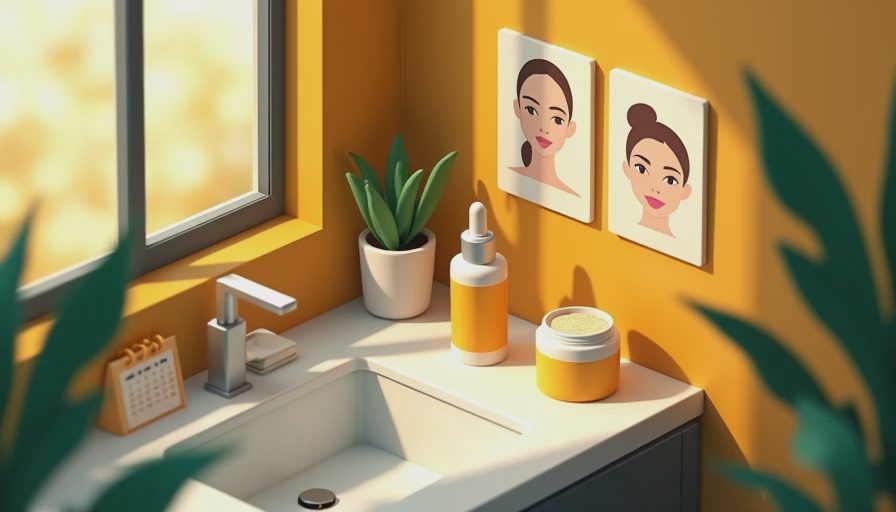
Retinol before and after: a realistic timeline
During weeks one through four, the most noticeable change may be how your skin feels rather than how it looks. Some people experience no irritation, while others need to use retinol only once or twice weekly. Applying more product will not speed up the process. It usually just creates more dryness and makes foundation sit badly around the nose and mouth.
Around weeks four through eight, texture may begin to look more even, and occasional congestion can become easier to manage. Fine lines are slower. A useful retinol before and after comparison should be taken in similar lighting, from a similar distance, with the same expression. Otherwise, you are comparing skincare with camera angles, hydration, and a very committed bathroom filter.
After three to six months of consistent use, many people see a more polished overall texture and a softer appearance of early fine lines. Deeper wrinkles, pronounced acne scarring, and significant pigmentation usually require more time or professional treatments. Sunscreen matters throughout this timeline because daily ultraviolet exposure can undermine the progress you are trying to build.
How to start without wrecking your weekday routine
Choose a beginner-friendly retinol product with clear labeling and a simple formula. Creams and lotions are often easier for dry or sensitive skin than a lightweight serum, although the whole formula matters more than the format. Brands such as CeraVe, Differin, La Roche-Posay, and The Ordinary offer accessible options across different price ranges. A $15 product used consistently can be more useful than a $90 bottle abandoned after three irritating applications.
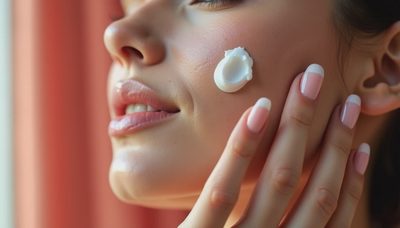
At night, wash with a gentle cleanser and wait until your face is fully dry. Apply a pea-sized amount for the entire face, avoiding the corners of the nose, lips, and eyelids at first. Follow with moisturizer. If your skin is easily irritated, apply moisturizer before and after retinol; this buffer can make the transition more comfortable without making the ingredient pointless.
Start once or twice a week for several weeks. If your skin remains calm, move to every other night. Daily use is not a trophy, and plenty of people get good results without applying retinol every night. On non-retinol evenings, keep things simple with cleanser and moisturizer. In the morning, use broad-spectrum SPF 30 or higher as the final skincare step.
Common mistakes that make results look worse
The biggest mistake is treating retinol like a quick-fix spot treatment. Covering one pimple with a thick layer can cause irritation without solving the larger pattern of clogged pores. Another common error is combining it immediately with several strong actives, including exfoliating acids, benzoyl peroxide, or high-strength vitamin C formulas. Some combinations can be used carefully, but beginners do not need to conduct a chemistry experiment beside the toothbrush cup.
Over-cleansing is another problem. A foaming cleanser that leaves your face squeaky, followed by retinol and a matte foundation, can produce a flaky office-day finish by 10 a.m. Use lukewarm water, avoid scrubbing, and give your moisturizer a few minutes to settle before makeup. If you commute through cold wind or spend the day in dry office air, reduce frequency instead of trying to push through discomfort.
Pregnant or breastfeeding readers should ask their healthcare professional about retinoids before using them. Prescription retinoids and over-the-counter retinol are not identical products, so medical guidance is the sensible route. Retinol can also interact poorly with certain eczema-prone or highly reactive skin conditions, which is another reason to start conservatively.

How to judge a retinol before and after comparison
Look for consistency instead of dramatic lighting. A useful comparison shows the same person, similar camera distance, comparable lighting, and enough time between images for the ingredient to work. Even then, hydration, makeup, sleep, seasonal weather, and camera processing can change the result. The best retinol before and after evidence is not necessarily the most spectacular image; it is the clearest record of gradual improvement.
Pay attention to practical changes. Does concealer stop catching on dry patches? Does skin feel less rough after cleansing? Are small clogged pores appearing less often? Do fine lines look softer when your face is relaxed, rather than erased when you are smiling in one photo and expressionless in the next? These are more useful questions than whether you suddenly resemble a heavily edited product campaign.
Take a starting photo before your first application, then repeat it every four weeks. Keep notes about frequency, dryness, breakouts, and the sunscreen you use. This method makes it easier to tell whether a product is working or whether your skin simply had one unusually good Tuesday.
When to adjust, pause, or switch products
If mild dryness appears, use retinol less often and add a richer moisturizer. If irritation continues, stop until your skin feels normal, then restart at a lower frequency or with a gentler formula. Do not apply it over peeling skin, sunburn, or broken areas. A short pause will not destroy your progress; insisting on a schedule while your skin is inflamed is not impressive skincare.
If you see no improvement after several months of steady use, check the basics before buying something stronger. Are you applying enough to cover the face? Are you using sunscreen most mornings? Are you changing products every two weeks? Is the concern actually something retinol handles well? Deep acne scars, melasma, and pronounced wrinkles may need a dermatologist’s evaluation rather than another product added to the cart.
The most honest retinol before and after result is usually gradual: smoother-feeling skin, more even texture, and a routine that works quietly in the background. Start small, protect your skin during the day, and judge progress over months rather than mornings. I’m not a morning person. I’m a morning-efficient person, and a retinol routine earns its place when it makes the rest of the routine easier instead of creating another problem to solve.

No comments yet — grab the first one.